How to Treat Shortened Teeth Due to Teeth Clenching/Grinding?
How to Treat Shortened Teeth Resulting from Teeth Grinding (Bruxism)?
If you look in the mirror and notice that your front teeth are shorter than before, that the tips of your teeth have flattened, or that your teeth have gradually worn down over the years, one of the reasons could be teeth grinding and clenching, also known as bruxism. The high chewing forces applied unconsciously, especially during the night, can over time lead to problems such as the erosion of tooth enamel, shortening of tooth length, small fractures, sensitivity, and even changes in facial appearance.
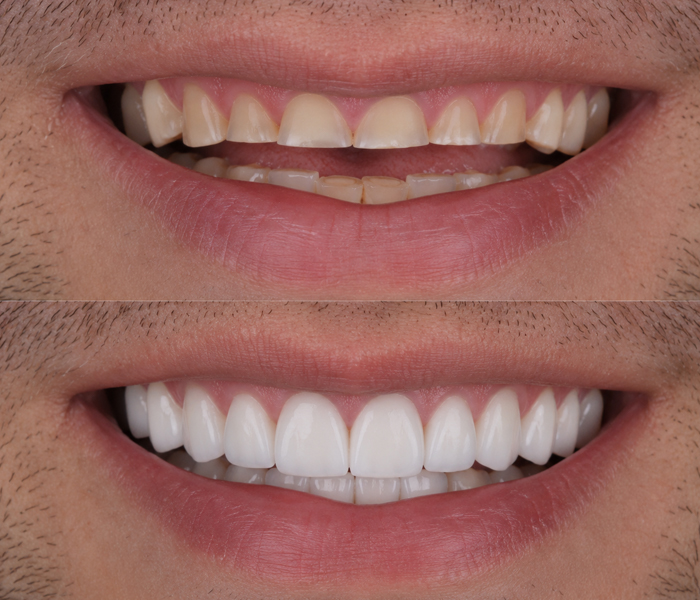
So, can teeth shortened due to teeth grinding be lengthened again? Yes. Thanks to modern restorative and aesthetic dentistry methods, the lost dimensions of worn teeth can be restored under certain conditions. However, merely lengthening the teeth is not enough for treatment. First, the cause of the wear, the severity of bruxism, the existing tooth tissue, bite occlusion, and jaw joints must be evaluated.
For mild abrasions, composite bonding may be sufficient, while for severe substance loss, ceramic restorations, onlay/overlay applications, zirconium, or different prosthetic restoration options may be considered. In cases where many teeth are severely abraded, a comprehensive rehabilitation involving the replanning of the entire occlusion may be required.
Therefore, the right question is not just “How can teeth be lengthened?”, but “By what method and within what occlusal scheme can lost tooth tissue be safely reconstructed?”
What is Bruxism?
Bruxism is a masticatory muscle activity characterized by a person consciously or unconsciously clenching, grinding their teeth, or excessively tensing their jaw muscles while awake or during sleep.
In the international consensus on bruxism, sleep bruxism and awake bruxism are distinguished. A scientific evaluation on the subject can be accessed from the publication International Consensus on the Assessment of Bruxism.
Bruxism does not progress in the same way in every patient. While in some individuals, muscle pain and morning jaw fatigue are particularly prominent, in others, the most noticeable finding is the abrasion that occurs on the tooth surfaces.
You can also review Melsadent’s content, which addresses the causes, symptoms, and treatment options for bruxism in detail: What is Teeth Clenching (Bruxism)? Symptoms and Treatment Methods.
Can Teeth Clenching Really Shorten Teeth?
Yes. Especially a long-standing habit of intense teeth clenching and grinding can contribute to abrasion on the chewing and incisal surfaces of the teeth.
As a result of constant and high-force grinding of teeth against each other, the loss of substance, which initially begins at a microscopic level, can become visible over time.
Especially in the anterior teeth:
- The incisal edges may flatten,
- Tooth lengths may shorten,
- Teeth may become level with each other,
- Small cracks and fractures may occur,
- The enamel layer may thin, exposing the dentin,
- The color of the teeth may appear more yellow or darker,
- Hot-cold sensitivity may develop.
In the posterior teeth, the prominences called cusps may flatten over time. As a result, the chewing anatomy may change, and the occlusion system may be affected.
Is Every Short Tooth Caused by Bruxism?
No. Bruxism is not the only reason for teeth appearing short or for tooth wear.
When evaluating tooth wear, the dentist should examine not only mechanical wear but also acid-induced erosion, incorrect brushing habits, occlusal relationships, dietary habits, and existing restorations.
For example, reflux that can cause stomach acid to reach the mouth, or frequently consumed acidic beverages, can contribute to the chemical softening of tooth surfaces. When softened surfaces are combined with bruxism forces, wear can progress more rapidly.
Therefore, it is not correct to diagnose “definitely bruxism” merely by looking at the appearance of the teeth.
What Are the Symptoms of Teeth Shortened Due to Bruxism?
The most striking symptom of progressive wear due to bruxism is the anterior teeth appearing shorter than before. However, the problem is not solely aesthetic.
Patients may also experience symptoms such as flattening of tooth edges, cracks, small fractures, tooth sensitivity, morning jaw fatigue, pain in the temporal region, headaches, stiffness in jaw muscles, and clicking sounds in the jaw joint.
For more detailed information about bruxism-related jaw joint symptoms, Melsadent’s Jaw Joint (Temporomandibular) Disorders guide can be reviewed.
Do Shortened Teeth Grow Back Naturally?
No. Enamel and dentin tissue lost due to wear in permanent teeth do not naturally return to their original size.
Since tooth enamel does not have the capacity to regenerate itself into its original anatomical form, in cases of advanced substance loss, the lost tooth height may need to be reconstructed with restorative materials.
However, this should not be interpreted to mean that every worn tooth immediately requires restoration. In cases of mild and stable wear, regular follow-up and protective applications may suffice.
How is the Treatment for Teeth Shortened by Bruxism Planned?
The most important stage of treatment is not deciding which restoration to make, but correctly determining the cause and extent of the wear.
The European consensus report recommends that treatment planning for severe tooth wear should be based on a comprehensive assessment, and when restorative intervention is necessary, conservative methods should be preferred as much as possible. The academic publication can be accessed via the link Severe Tooth Wear: European Consensus Statement on Management Guidelines.
During the examination, the extent of tooth wear, the remaining amount of enamel and dentin, tooth vitality, existing fillings, occlusal relationships, temporomandibular joints, and masticatory muscles are generally evaluated.
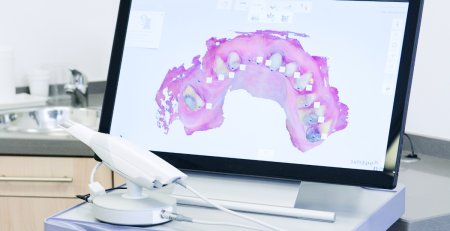
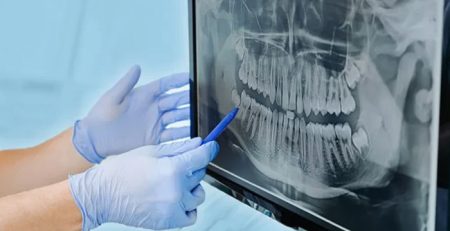
When deemed necessary, intraoral photographs, digital impressions, models, and radiographic images can be included in the planning.
1. Composite Bonding for Mild Wear
If there is a limited amount of wear on the incisal edges of the anterior teeth due to bruxism, composite bonding can be one of the most conservative options.
In bonding applications, the lost tooth height can be restored using tooth-colored composite material. This way, teeth that appear short can be brought into more balanced proportions.
One of the most significant advantages of bonding treatment is the extensive preservation of natural tooth structure. In some cases, very little preparation is needed, and in suitable situations, restoration can be performed without extensive cutting of the tooth.
However, in individuals with active and strong bruxism, the risk of bonding restorations breaking, wearing down, or detaching from their edges may be higher compared to other patients. Therefore, managing bruxism alongside the restoration is important.
For detailed information about bonding, you can review our content on Composite Aesthetic Filling (Bonding).
2. Rebuilding Tooth Lengths with Composite
In cases where multiple teeth are worn but sufficient healthy tooth structure remains, the anatomy of multiple teeth can be recreated with direct composite restorations.
This approach is particularly important in minimally invasive dentistry as it can allow for the preservation of natural tooth structure.
You can access the systematic review evaluating the outcomes of direct and indirect restorations in the treatment of tooth wear via Treatment of Tooth Wear Using Direct or Indirect Restorations.
The approach to be used depends on many factors such as the degree of wear, the position of the teeth, occlusal forces, and the available space for the restoration.
3. Porcelain Laminate Applications
In selected cases, especially in the anterior region where aesthetic expectations are high, porcelain laminates can be considered.
With laminate restorations, the length, width, color, and overall proportions of the teeth can be rearranged. However, in individuals with severe bruxism, the selection of porcelain restorations should be made carefully.
Performing thin porcelain restorations solely for aesthetic purposes without controlling bruxism may increase the risk of fracture or detachment in the long term.
Therefore, the suitability of laminates should not be determined solely based on aesthetic expectations, but also by evaluating the amount of remaining enamel and the patient’s functional risks.
4. Onlay and Overlay Restorations
Bruxism can severely wear down not only the anterior teeth but also the chewing surfaces of the posterior teeth.
In some cases where full coverage is not required for the tooth tissue, onlay or overlay restorations can be considered.
These restorations allow for the reconstruction of the tooth’s especially lost chewing surfaces, and can help preserve more natural tooth tissue compared to a full crown.
5. Zirconium or Ceramic Crowns
In cases where a significant portion of the tooth structure has been lost, where large fillings are present, or where structural durability has significantly decreased, crown restorations may be considered.
Zirconium crown is one of the options considered in suitable cases due to its high mechanical strength and aesthetic properties.
However, a general approach such as “If bruxism is present, zirconium must definitely be used” is not correct. The choice of restoration should be made according to the remaining tooth tissue, its position, occlusal forces, and the overall oral treatment plan.
For detailed information about Zirconium, you can review the Zirconium Veneers – The Closest Touch to Natural Teeth page.
Is Bonding or Veneers Better?
In the treatment of teeth shortened due to bruxism, one of the most frequently asked questions by patients is “Should I get bonding or veneers?”
There is no single answer that applies to everyone.
If there is limited wear on the tooth and sufficient healthy tissue, conservative methods such as bonding can be preferred. If tooth tissue has been severely lost or the tooth structure has been weakened due to existing restorations, different restorative options may be necessary.
You can review the fundamental differences between these two treatment approaches in Melsadent’s Filling or Veneer? guide on the topic.
May Full Mouth Rehabilitation Be Necessary for Severely Shortened Teeth?
Yes. In advanced cases where bruxism has continued for years, not only a few front teeth but also many teeth in the upper and lower jaws may have been worn down.
In these cases, aesthetically lengthening only the front teeth may not be sufficient. This is because the occlusal relationship between the front and back teeth must be evaluated together.
The rehabilitation of advanced wear cases is one of the most comprehensive treatment areas of restorative dentistry. Scientific literature also emphasizes that the treatment of severely worn teeth should be planned by evaluating the existing tooth tissue, occlusion, vertical dimension, and functional risks together.
The scientific publication examining the restorative management of severe wear in bruxism patients can be accessed via the link: Sleep Bruxism: Challenges and Restorative Solutions.
What is Vertical Dimension and What is its Relationship with Bruxism?
Vertical dimension, in a simplified way, refers to the occlusion-related part of the facial height between the upper and lower jaws.
In very advanced wear cases, the clinician looks not only at the individual length of each tooth but also at the overall occlusal relationship within the mouth.
However, the appearance of worn teeth does not always mean that the vertical dimension has been dramatically lost. The jaw and the structures supporting the teeth can adapt to wear in various ways over time.
Therefore, changes in vertical dimension cannot be determined merely by looking at photographs of teeth. A detailed clinical evaluation is required.
Can Shortened Anterior Teeth Be Lengthened Again?
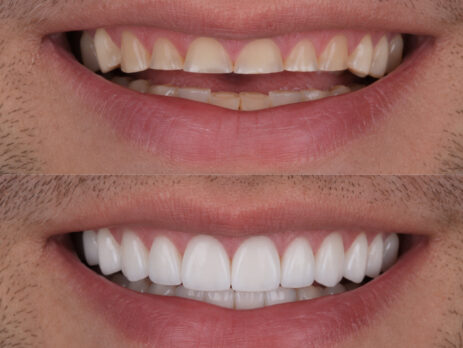
Yes. Depending on the level of wear on the anterior teeth, the lost incisal edges of the teeth can be recreated with composite bonding, ceramic restorations, or different restorative methods.
The aim here is not merely to obtain longer teeth.
When determining new tooth lengths, facial proportions, lip line, speech function, the amount of tooth visible during a smile, and the contact relationship with teeth in the opposing arch should be evaluated together.
This approach is also an important part of smile design in aesthetic dentistry.
You can review our Smile Design page on this topic.
Does Speech Change When Teeth Are Lengthened?
Front teeth play a role in the formation of certain sounds, especially during speech. Therefore, in comprehensive cases where severely worn teeth are reconstructed, the length and position of the teeth are also evaluated phonetically.
Especially if a major change is planned, the patient’s adaptation to the new tooth dimensions may be part of the treatment plan.
Can Teeth Be Restored Without Treating Bruxism?
There is an important distinction here: It may not always be possible to completely eliminate bruxism in every patient. However, the risk of bruxism should not be overlooked when performing restorations.
In other words, simply redoing worn teeth and not considering the tooth grinding problem is not a correct long-term approach.
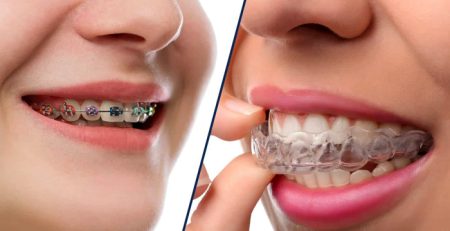
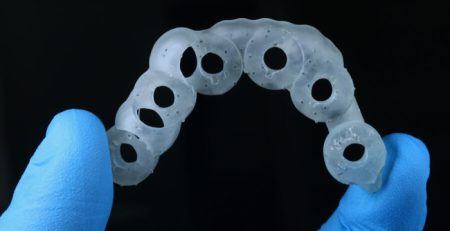
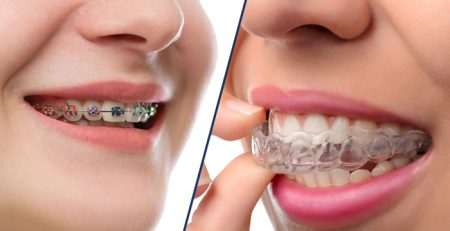
Following restorations, in cases deemed appropriate by the dentist, the use of a personalized night guard or occlusal splint may be recommended.
You can access Melsadent’s detailed guide on this topic from the Tooth Grinding (Bruxism) Treatment – Night Guard page.
Does a Night Guard Correct Shortened Teeth?
No. A night guard does not restore worn tooth tissue and does not directly lengthen short teeth.
The primary purpose of the guard in selected cases is to create a protective barrier between the teeth and restorations, to help manage forces, and to reduce the risk of new restorations being subjected to excessive load.
Therefore, a night guard and restorative treatment are not alternatives to each other.
The restoration of existing damage is aimed in one, while in the other, the reduction of potential new mechanical damage is targeted.
Does a Night Guard Completely Eliminate Bruxism?
One of the most common misconceptions about night guards is the idea that the guard completely eliminates bruxism.
Occlusal splints can help protect teeth and restorations from mechanical forces in some patients; however, underlying sleep, behavioral, or other factors of bruxism may also need to be evaluated.
You can access the systematic review evaluating occlusal splints for sleep bruxism via the link Occlusal Splints for Treating Sleep Bruxism.
Should the Jaw Joint Also Be Checked in Bruxism?
Yes. In a person complaining of teeth grinding, examining only the tooth surfaces may not be sufficient.
If there is jaw pain in the mornings, clicking sounds when opening the mouth, jaw locking, pain in the temples, or tenderness in the chewing muscles, it is important to also evaluate the temporomandibular joint and the surrounding muscle system.
Regarding the causes of jaw clicking, you can review our guide titled Why Does the Jaw Make Sounds?.
Can Smile Design Be Done After Bruxism?
In suitable cases, yes. Worn front teeth can make a person’s smile appear old, flat, or uneven. Recreating tooth lengths can significantly change smile aesthetics.
However, in a bruxism patient, smile design should not be considered merely a cosmetic procedure.
New teeth need to be planned correctly both aesthetically and functionally. Otherwise, restorations that look good but are subjected to excessive load may experience fracture or wear in the future.
Therefore, the aesthetic dentistry options that can be applied at Melsadent should be personalized according to the patient’s oral and occlusion conditions.
Do Veneers Made Due to Bruxism Break?
No restorative material can be said to have unlimited durability against bruxism.
Bruxism can create high mechanical load not only on natural teeth but also on fillings, crowns, and other restorations.
Therefore, the longevity of the treatment does not depend solely on choosing “the hardest material.”
Occlusion design, restoration thickness, existing tooth tissue, bonding conditions, the patient’s bruxism severity, oral hygiene, regular check-ups, and the use of protective splints when necessary, all collectively matter.
You can examine the factors affecting the lifespan of dental veneers in detail in our content How Long Do Dental Veneers Last? Zirconium, E-max, and Laminate.
How Many Sessions Does the Treatment of Worn Teeth Take?
The duration can vary significantly depending on the degree of wear and the treatment to be applied.
Small bonding procedures performed on a few teeth and full mouth rehabilitation do not have the same treatment duration.
In comprehensive cases, there can be multiple processes such as examination, digital impressions, occlusion analysis, temporary restorations or test phases, and final restorations.
Therefore, the exact treatment duration can only be determined after examination and personalized planning.
Can It Be Too Late to Treat Worn Teeth?
In severely worn teeth, treatment can become more complex, but this does not necessarily mean that the teeth will be lost.
Options for preserving the tooth are explored by evaluating the remaining tooth structure, root health, periodontal support, and pulp status.
Intervening early, however, can generally allow for the use of more conservative treatment options.
Therefore, it is important not to wait for the wear to reach a very advanced stage when flattening and progressive shortening are noticed at the tips of the teeth.
What Happens If Teeth Shortened Due to Bruxism Are Not Treated?
If wear continues to progress, a larger portion of the tooth enamel may be lost, and the underlying dentin layer may become exposed.
As a result, increased sensitivity, aesthetic deterioration, and the need for restorative treatment may be observed.
In more advanced cases, problems such as cracks, restoration fractures, and severe weakening of tooth tissue may be encountered.
Regarding the effects of bruxism on daily life and oral health, Melsadent’s content How Does Teeth Grinding Affect Daily Life? can also be reviewed.
What Is the Most Appropriate Treatment for Teeth Shortened Due to Teeth Grinding?
There isn’t one “best” method.
The correct treatment is determined by how much the patient’s teeth are worn, the remaining healthy tooth tissue, the severity of bruxism, jaw occlusion, and aesthetic expectations.
While monitoring or bonding may suffice in mild cases, moderate and severe cases may require indirect restorations or more extensive rehabilitation.
One of the main goals of the modern approach is to restore function and aesthetics by preserving as much natural tooth structure as possible.
Why is Digital Planning Important in Post-Bruxism Treatment?
In cases where numerous worn teeth are being rebuilt, it is not possible to randomly lengthen the teeth.
The relationships of the teeth with each other and with the teeth in the opposing arch need to be planned.
Digital intraoral scanning, photographic analysis, and, if necessary, digital design methods can help the clinician record the current situation and evaluate planned changes.
There are scientific studies that utilize digital workflows, especially in full-mouth rehabilitations. An example academic study on this topic can be reviewed via Full Mouth Oral Rehabilitation of a Severely Worn Dentition Using a Fully Digital Workflow.
Can Teeth Wear Down Again After Bruxism Treatment?
If bruxism continues, mechanical wear can reoccur on natural teeth or restorations.
Therefore, follow-up is important even after restorative treatment is completed.
Adhering to the dentist’s recommended check-up schedule, regularly evaluating restorations and occlusion, and using a night guard in patients where deemed necessary, are all part of long-term treatment management.
Do Shortened Teeth Affect Facial Appearance?
Especially in individuals with advanced wear on numerous teeth, the reduction in the visible length of the teeth can alter smile aesthetics.
Shortening of the front teeth can cause them to be less visible during a smile and lead to a flatter smile line.
However, the degree of change in facial height should not be evaluated solely by looking at the appearance of the front teeth.
In a comprehensive evaluation, in addition to the teeth, lip support, facial proportions, and the occlusal relationship of the jaws are also considered.
How Do I Know if My Teeth Have Shortened Due to Bruxism?
A noticeable shortening of the front teeth when compared with old photographs can be an important clue.
Flattening of tooth edges, shiny wear facets, matching wear marks on two opposing teeth, and accompanying jaw muscle complaints are among the findings that can be considered in a bruxism evaluation.
However, the causes of tooth wear are often multifactorial. Therefore, a definitive evaluation should be made with a dental examination.
Frequently Asked Questions
Does teeth grinding shorten teeth?
Prolonged and intense teeth clenching or grinding can contribute to mechanical wear on the chewing and incisal surfaces of the teeth. Over time, especially the front teeth may start to appear shorter and flatter.
Can teeth shortened by teeth grinding lengthen again?
Lost enamel and dentin tissue does not naturally return to its original anatomical size. If necessary, the lost tooth height can be recreated with bonding, ceramic restorations, or other restorative methods.
Can front teeth shortened due to bruxism be lengthened with bonding?
Yes, in suitable cases. Especially in cases of limited substance loss, the incisal edges of the teeth can be reshaped with composite bonding. However, suitability is determined by the remaining tooth structure and occlusal forces.
Can a zirconium veneer be applied to a person with bruxism?
It can be applied in selected cases where necessary. However, the presence of bruxism alone does not mean that zirconium should be used. The restoration material and method should be chosen according to all of the patient’s clinical conditions.
Is a veneer necessary for teeth worn down by clenching?
No. In some mild or moderate wear cases, bonding or other conservative restorations may be sufficient. The need for a veneer is determined by how much tooth tissue has been lost.
Does a night guard lengthen shortened teeth?
No. A night guard does not restore lost tooth tissue. Its main purpose in appropriate cases is to help protect teeth and restorations against the mechanical effects of bruxism forces.
Is a night guard used after bonding?
In patients with bruxism, the dentist may recommend a custom night guard to help protect the restorations. The necessity of use is determined on a patient-by-patient basis.
Can laminates be applied to teeth worn down by bruxism?
It can be applied in selected cases. However, severe bruxism, the amount of remaining enamel, and occlusal forces should be evaluated in detail. Not every bruxism patient is suitable for porcelain laminates.
Why are my teeth getting shorter?
Bruxism can be one of the important causes, but it is not the only one. Acid erosion, mechanical wear, and different factors can also contribute to tooth tissue loss. The definitive cause should be determined as a result of a clinical examination.
Can teeth worn down by bruxism be restored in a single session?
Some cases requiring a small number of limited restorations can be completed quickly. However, in comprehensive cases where many teeth are abraded, treatment may require more sessions due to analysis, planning, and restoration phases.
Do shortened teeth make the face look old?
Especially significant shortening of the front teeth can reduce tooth visibility during a smile and alter smile aesthetics. In advanced wear cases, the entire face and occlusal relationship should be evaluated together.
Can aesthetic dental work be done without treating bruxism?
If aesthetic restorations are to be performed, the risk of bruxism must be part of the treatment plan. Merely correcting the appearance of the teeth and ignoring excessive mechanical forces can negatively affect the long-term success of the restorations.
Which doctor should be consulted for teeth shortened due to teeth grinding?
The initial evaluation can be done by a dentist. Depending on the degree of wear, restorative dental treatment, prosthetic dental treatment, temporomandibular joint evaluation, or the collaboration of different disciplines may be necessary.
The Goal in Bruxism Treatment Is Not Just to Lengthen Teeth
The most important point in the treatment of teeth worn and shortened due to teeth grinding is not merely to create aesthetically longer teeth.
In a successful treatment, the preservation of tooth tissue, the establishment of correct occlusion, the support of chewing function, the improvement of aesthetics, and the protection of new restorations from bruxism forces as much as possible should be addressed together.
Therefore, the success of a bonding, laminate, or zirconium application seen online in another patient does not mean that the same treatment is the most suitable option for you.
At Melsadent Oral and Dental Health Polyclinic, in the evaluation of tooth wear resulting from teeth clenching/grinding, existing tooth structure, occlusal relationships, aesthetic expectations, and functional risks associated with bruxism can be assessed together. If you have shortened, worn, or starting to fracture teeth, an early examination can help in evaluating more conservative treatment options.
Important: This content has been prepared for general informational purposes and does not substitute for personal diagnosis or treatment recommendations. Since the causes of bruxism and tooth wear can vary from person to person, a definitive treatment plan should be determined after a clinical examination.