Why Do Teeth Become Translucent? Causes, Symptoms, and Treatment
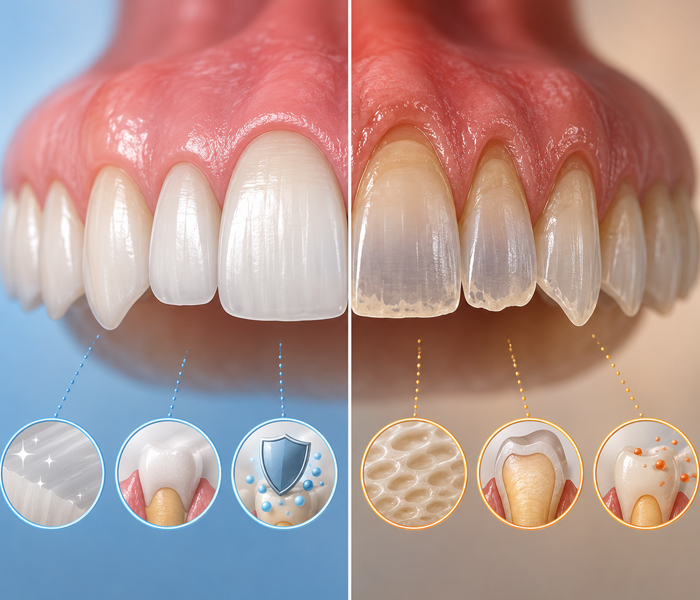
If you notice a glass-like appearance at the tips of your teeth, this is often not just an aesthetic change. Issues such as thinning tooth enamel, surface loss, acid erosion, gum recession, or intense sensitivity can lead to teeth appearing transparent. This appearance, particularly seen on the incisal edges of the front teeth, starts as a slight color change in some individuals; while in others, it progresses with cold sensitivity, a smooth surface sensation, and discomfort during chewing.
In this article, you will find detailed information on why teeth become transparent, which symptoms should be taken seriously, safe precautions that can be taken at home, and treatment options that can be applied in the clinic. We have also provided links to Melsadent’s related content and academic resources.
Why Do Teeth Become Transparent?
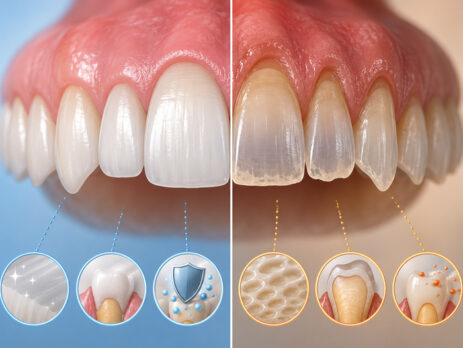
The most fundamental reason for teeth becoming transparent is the thinning of tooth enamel or its loss of structural integrity. The enamel layer is normally the outermost protective layer of the tooth; it reflects light differently and covers the underlying dentin tissue in a balanced way. When enamel thins, light transmission increases, especially at the incisal edges, and the tooth tip takes on a translucent appearance.
This condition can sometimes be part of the natural aging process; however, it is often not explained by age alone. Frequent consumption of acidic beverages, reflux, frequent vomiting, teeth clenching/grinding, incorrect brushing technique, aggressive whitening procedures, and some genetic enamel development disorders can accelerate the process. Academic literature shows that enamel translucency is closely related to structural properties and that demineralization and erosion can increase this appearance. Furthermore, it is reported that tooth erosion can progress with pain and sensitivity. Translucency of human dental enamel, Pathogenesis and modifying factors of dental erosion
Most Common Causes of Translucency
1) Enamel abrasion and erosion: Acidic foods, energy drinks, carbonated beverages, frequent snacking, and an acidic oral environment weaken the enamel surface over time. As the enamel surface thins, light permeability increases, and tooth edges start to appear translucent.
2) Teeth clenching and grinding: Bruxism mechanically wears down incisal edges and occlusal surfaces. This wear not only causes shortening but also disrupts the smooth appearance of the surface. The likelihood of teeth clenching increases, especially if there is jaw fatigue, headache, and sensitivity in the mornings.
3) Gum recession: When gums recede, root surfaces become exposed. Root surfaces are not as durable as enamel; therefore, they wear down faster, sensitivity develops, and the tooth appears more “translucent.” For more information on gum problems, you can refer to the pages What is Gum Recession? Why Does It Occur and How Is It Treated? and Gum Treatment (Periodontology).
4) Excessive hard brushing: Hard-bristled brushes and horizontal, forceful cleaning movements wear down the enamel and gum line. This habit can eventually cause abrasion and sensitivity at the tooth neck.
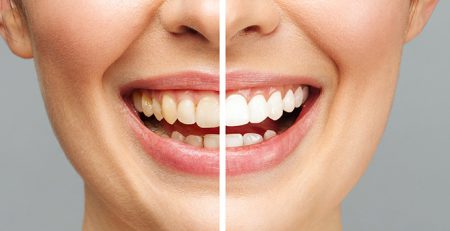
5) Temporary changes after tooth whitening: After professional whitening procedures, some individuals may experience temporary sensitivity and changes in surface perception. This condition does not always imply permanent damage; however, frequent or uncontrolled applications can create risks. For detailed content on this topic, you can refer to the articles Sensitivity and Gum Reactions After Tooth Whitening and How Long Does Tooth Whitening Last?.
6) Reflux and stomach acid: Regular contact of stomach acid with the mouth weakens the enamel. Individuals with nighttime reflux may experience translucent edges, sensitivity, and a sour taste in the mouth in the mornings.
7) Frequent vomiting and eating behaviors: Direct contact with stomach acid poses a high risk for enamel erosion. Therefore, long-standing gastrointestinal issues can lead to visible changes in teeth.
8) Genetic enamel structure and developmental problems: In some individuals, the enamel structure may be inherently thinner or weaker. In this case, teeth may become more transparent faster with age.
9) Aging and dehydration: Over time, enamel naturally thins. Additionally, when there is dry mouth, light reflection on the tooth surface may differ, and transparency may become more pronounced.
Which Symptoms Appear Together?
While transparency in teeth can occur on its own, it can also be seen alongside one or more of the following symptoms:
- Sensitivity to cold, hot, sweet, or acidic foods
- Glass-like translucent appearance on the tips of front teeth
- A feeling of a shiny but thin texture on the enamel surface
- Shortening or thinning of tooth edges
- Visibility of the root surface due to gum recession
- White spots, yellowing, or dullness on teeth
- Brief stinging sensation during chewing
These symptoms can sometimes be confused with the onset of decay. Our article How to Distinguish Tooth Sensitivity from Decay? 7 Important Differences may be helpful in distinguishing between them. Additionally, if you are curious about the symptoms of decay, you can review the content What Are the Causes and Symptoms of Tooth Decay?.
Safe Precautions to Take at Home
When tooth translucency is noticed, the first goal is to stop the damage and slow down its progression. Correct practices at home also increase the success of professional treatment.
- Use a soft-bristled brush: Avoid hard brushes and aggressive cleaning.
- Choose fluoride toothpaste: Ingredients that support enamel are fundamental for daily care.
- Reduce acidic beverage consumption: Pay particular attention to the habit of frequent sipping.
- Do not brush immediately after consuming something acidic: Waiting at least 30 minutes can help protect the enamel.
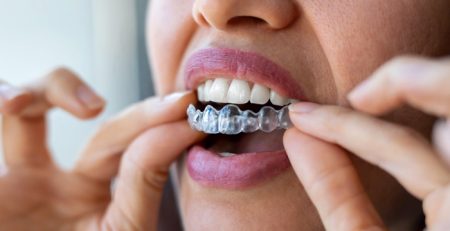
- If there’s a possibility of nighttime teeth grinding, consider a protective splint: This condition requires a dentist’s planning.
- Drink water regularly: Dry mouth can increase the risk of erosion and sensitivity.
- Avoid uncontrolled whitening products: Incorrect home-use products can unnecessarily stress the enamel surface.
If sensitivity also accompanies it, the content on How to Relieve Tooth Sensitivity? Definitive and Effective Solutions will also be useful. Since tartar and plaque accumulation can also affect surface health, the article on What is Tartar, How Does it Form, and How is it Cleaned? is also a good complement.
What Treatments are Applied in the Clinic?
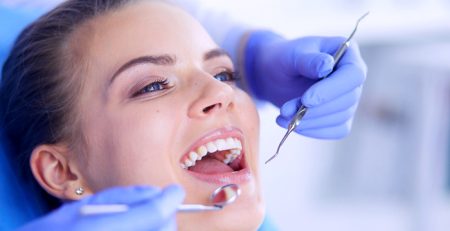
The treatment to be applied for tooth translucency is determined by the cause of the problem. Because different mechanisms can underlie the same appearance. Therefore, examination, and if necessary, X-rays and gum evaluation are essential.
1) Remineralization and protective applications: In the early stage, fluoride varnishes, desensitizing agents, and enamel-supporting products can be preferred. This approach aims to slow down surface loss. Academic studies show that appropriate materials can be effective in remineralization processes. Analysis of Dental Enamel Remineralization: A Systematic Review, Treatment for dental erosion: a systematic review of in vitro studies
2) Bonding and composite restorations: If translucency becomes aesthetically bothersome, the edges of the front teeth can be reinforced with composite material. This method both improves appearance and can protect the sensitive surface.
3) Aesthetic restorations such as lamina veneers or zirconia: If enamel loss is more significant and structural support is needed, veneer options can be evaluated when deemed appropriate by the dentist. For general information about aesthetic treatments, you can review the Zirconia Crowns – The Closest Touch to Natural Teeth page.
4) Periodontal treatment: If gum recession is the underlying cause, gum health is addressed first. Because as long as the root surface remains exposed, the translucent appearance and sensitivity will persist. In this area, the content on Gum Disease Prevention and Treatment Methods and Gum Treatment (Periodontology) may be guiding.
5) Nightguard and bruxism management: In cases of wear due to teeth grinding, a nightguard, muscle relaxant approach, and occlusal analysis are important. Otherwise, restorations may wear down again in a short period.
6) Treatment of underlying decay or root canal problems: If there is pain, discoloration, or chewing sensitivity along with transparency, the need for decay or root canal treatment can be evaluated. For related content, you can check out the pages What is Root Canal Treatment and When is it Needed? and Cavity and Broken Tooth Repair | Restorative Dental Treatment.
Which Pages on Melsadent Can Help You?
For patients with similar complaints, the following pages on Melsadent may be helpful:
- Melsadent
- Useful Information
- How Does Tooth Sensitivity Go Away?
- What is Gum Recession?
- Sensitivity After Teeth Whitening
- What is Dental Calculus, How Does it Form and How is it Cleaned?
- Causes and Symptoms of Tooth Decay
When Should You See a Dentist?
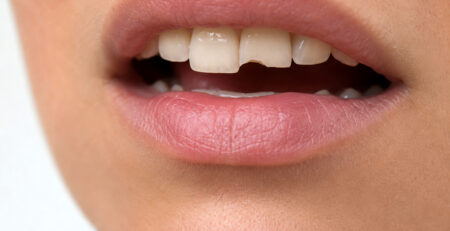
When translucency is noticed in teeth, immediate intervention is not always necessary; however, an examination should not be delayed if the following conditions are present: if sensitivity is gradually increasing, if hot-cold pain has become pronounced, if gum recession is observed, if chipping has started on the edges of the teeth, if white spots or signs of decay are present, or if the aesthetic appearance has rapidly deteriorated in a short period.
Early evaluation allows for more conservative and economical solutions in most cases. In delayed cases, the scope of restorative treatment may expand. Therefore, it is not correct to view translucency merely as an aesthetic detail.
Frequently Asked Questions
Is tooth translucency normal?
Yes, mild age-related translucency can be observed. However, if it becomes pronounced or is accompanied by sensitivity, a cause such as enamel thinning or erosion should often be investigated.
Does translucency mean decay?
No, not all translucency is decay. However, it can be confused with early decay, enamel loss, and sensitivity. A definitive distinction cannot be made without an examination.
Do acidic drinks really make teeth translucent?
When consumed frequently and for prolonged periods, yes, they can increase enamel erosion. Sipping and spreading consumption throughout the day particularly increases the risk.
Does teeth whitening make teeth translucent?
When properly planned, permanent translucency is not expected. However, uncontrolled and frequent applications can cause sensitivity and surface changes.
How can transparent tooth tips be fixed?
Depending on the cause, sensitivity-reducing products, fluoride application, bonding, composite additions, veneers, or periodontal treatment options may be applied.
Does teeth grinding cause transparency?
Yes. Bruxism can cause mechanical wear, especially on the front and back teeth, leading to thinning of the surface and a transparent appearance.
Can it be completely fixed at home?
In mild cases, progression can be slowed; however, it is not possible to restore lost enamel at home. Therefore, professional evaluation is important.
Which doctor should I consult?
A general dentist is suitable for the initial evaluation. If there is gum recession, bleeding, or periodontal issues, a periodontology evaluation may be necessary.
Tooth transparency is often a sign of enamel loss and surface weakening. Acid erosion, teeth grinding, gum recession, incorrect brushing, and some systemic effects can accelerate this process. In early detected cases, preventive measures and small restorations may suffice; however, in advanced cases, a more comprehensive treatment plan is required.
If you notice transparency, sensitivity, or changes in your gum line at your tooth tips, a detailed examination at Melsadent can help plan a suitable solution for you. Early intervention is the most effective step in preserving both aesthetic appearance and long-term dental health.
Resources
- Translucency of human dental enamel
- Pathogenesis and modifying factors of dental erosion
- Analysis of Dental Enamel Remineralization: A Systematic Review
- Assessment of Structural Changes in Translucency and Opacity of Tooth Enamel