What to Do at Home for a Sensitive Tooth? Effective and Safe Guide
What to Do at Home for a Tooth Sensitive to Air?
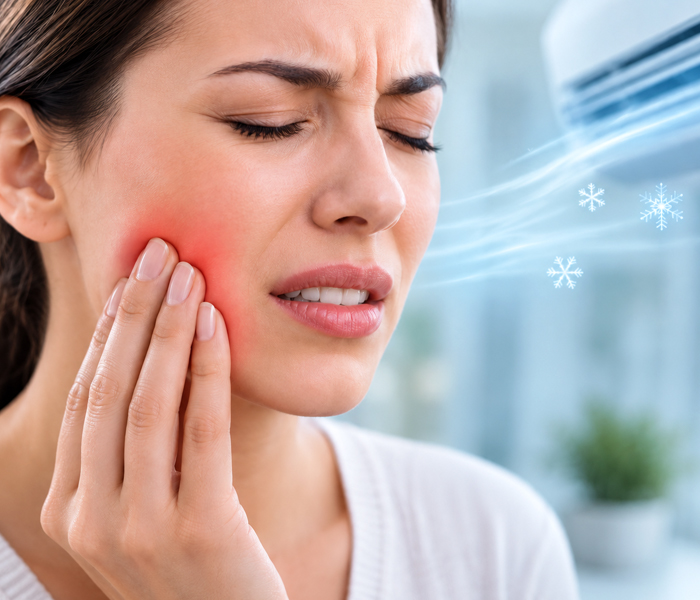
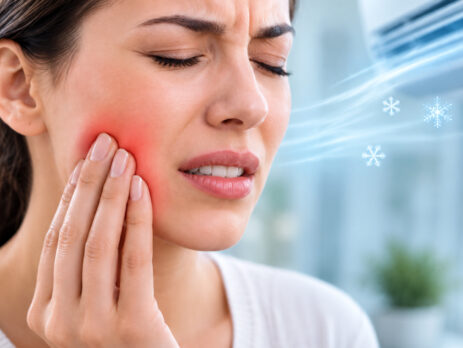
What to do at home for a tooth sensitive to air? is the first question that comes to mind for many people who experience sudden stinging in the tooth, tingling upon contact with cold air, discomfort while breathing, sensitivity when drinking water, or short and sharp pain during brushing. This complaint is often described as “the tooth being exposed to air”; however, clinically, this condition is usually related to causes such as weakening of tooth enamel, gum recession, exposure of the dentin layer, a broken filling, a cracked tooth, decay, or restoration margin leakage. Home remedies can provide relief; but the problem recurs unless the underlying cause is eliminated.
Therefore, methods to be applied at home for a tooth sensitive to air aim for temporary relief and preventing the worsening of the complaint. Especially if the pain occurs not only with air contact but also with hot-cold, sweet, sour, chewing pressure, or spontaneous throbbing, this situation may indicate a more serious condition than simple sensitivity. In such a case, the most appropriate approach is not to delay a dental evaluation along with temporary home care.
Why Does a Tooth Become Sensitive to Air?
The condition referred to as a tooth ‘taking air’ is often related to the weakening of the protective layers on the tooth surface. As a result of enamel erosion or gum recession, dentin can become exposed. Inside the dentin, there are microscopic tubules that transmit external stimuli to the tooth nerve. When these tubules are exposed, airflow, cold water, hot beverages, sweet foods, or brush contact can cause a short but sharp pain. Academic sources indicate that this presentation is consistent with dentin hypersensitivity, and that an exposed dentin surface is the primary mechanism.
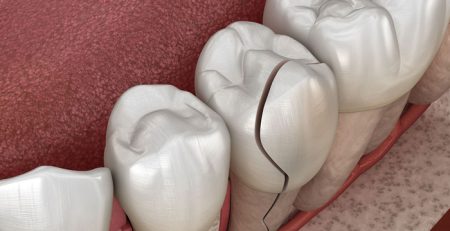
Common causes of a tooth sensitive to air include aggressive brushing, frequent consumption of acidic foods, teeth grinding, gum recession, temporary sensitivity after whitening procedures, fractured fillings, old restorations, and cavities. Sometimes, even if the tooth appears sound from the outside, there might be microscopic erosions at the tooth neck or exposure of the root surface. Therefore, the feeling of ‘taking air’ should be considered not just an annoying ache, but a sign indicating an underlying problem.
What Should Be Done First at Home?
The safest first step to take at home for a tooth sensitive to air is to reduce the stimulus. If the pain increases when your tooth comes into contact with cold air, iced drinks, very hot foods, or acidic beverages, avoiding these triggers for a few days can provide relief. It is important to avoid chewing hard with the painful area, not to crack very hard-shelled foods with that side, and to protect the tooth from mechanical trauma.
The second step is to use desensitizing toothpaste. These types of products are formulated to help block the dentinal tubules or reduce nerve response. With regular use, its effect can begin within a few days; however, a longer period may be required for full effect. In addition to brushing with toothpaste, it can sometimes be beneficial to apply a thin layer to the sensitive area before going to bed at night. Nevertheless, it should be remembered that this is not a permanent treatment, but rather supportive care.
The third step is to use a soft-bristled toothbrush. A hard brush and excessive pressure can increase gum recession and enamel erosion. During brushing, short, controlled, and gentle movements should be preferred. Pressing harder to “clean the sensitive area better” often exacerbates the problem instead of alleviating it. Regular and gentle brushing twice a day is one of the most valuable preventive habits that can be done at home.
As a fourth step, rinsing the mouth with lukewarm water can be preferred. Extremely hot or extremely cold water can trigger sensitivity. Lukewarm water provides short-term relief for some people. Saltwater gargle can also help soothe the inside of the mouth; however, this application does not solve the cause of the pain. It only provides temporary support.
Safe Home Remedies for Sensitive Teeth
1. Use desensitizing toothpaste: Desensitizing toothpastes containing ingredients such as fluoride, stannous fluoride, arginine, or similar can be beneficial with regular use. These products help to seal dentinal tubules and reduce the transmission of external stimuli.
2. Limit cold and acidic foods: Lemon, vinegar, carbonated drinks, energy drinks, and very cold beverages can increase sensitivity. Reducing these products for a few days can significantly alleviate the complaint.
3. Change your brushing technique: Instead of harsh horizontal movements, use gentle, controlled, and circular movements. If there is bleeding at the gum line after brushing, this could also indicate gum problems.
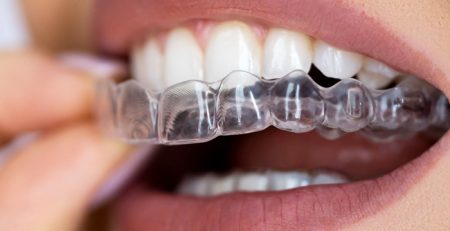
4. Try to reduce night clenching and grinding: Bruxism can increase sensitivity by wearing down tooth surfaces. If you have a habit of clenching your teeth at night, your dentist might recommend a night guard.
5. Reduce chewing load: Do not break hard foods with the problematic tooth. Temporarily using the opposite side reduces the triggering of pain.
6. Do not neglect oral hygiene: It is not right to stop cleaning the tooth completely just because there is pain. Plaque accumulation can increase cavities and gum inflammation. Only gentle cleaning should be preferred.
7. Protect the area if there is a broken filling or crown: If the sensation of air sensitivity started after a filling, crown, or a broken surface, the best thing to do at home is to avoid stressing that area and to get it checked as soon as possible.
What Not to Do at Home?
In cases of toothache due to air sensitivity, some incorrect practices can further worsen the complaint. It is not advisable to directly apply aspirin to the sensitive area, put pressure on the tooth, or poke the area with hard toothpicks or sharp objects. Such methods can burn the gums, damage soft tissue, and increase the risk of infection.
Again, using whitening products too frequently is also not a good idea. Temporary sensitivity may develop after whitening, and an additional chemical load during this period can increase discomfort. If your tooth has been exposed to air for several days and sensitivity is progressively increasing, a professional check-up is safer than prolonging at-home product trials.
One of the most important points is this: Providing relief at home does not mean solving the problem. Especially if the pain is concentrated in a single tooth, increases with heat, wakes you up at night, throbs during chewing, or is accompanied by a bad taste in the mouth, more serious causes such as decay, a cracked tooth, or nerve inflammation should be considered.
When Should an Exposed Tooth Be Urgently Evaluated?
One should not delay visiting the dentist in the following situations: if the pain lasts longer than a few days, starts spontaneously, is throbbing, significantly increases with heat, facial swelling, an abscess-like bump on the gum, difficulty opening the mouth, fever, bad odor, or the presence of a broken or lost filling. These findings may indicate not only sensitivity but also infection or advanced decay.
Especially if gum recession is evident or tooth necks are exposed, an underlying periodontal problem should also be evaluated. In such cases, the dentist examines not only for sensitivity but also for the gums and supporting tissues. This approach ensures long-term control of the problem rather than suppressing it in the short term.
What Can Be Done During a Dental Examination?
In clinical evaluation, the source of pain is clarified. If necessary, X-rays are taken, gum levels are checked, the presence of decay is examined, and old fillings and crowns are evaluated. Treatment varies according to the cause. If there is simple sensitivity, professional fluoride application, desensitizing agents, or a protective coating may be applied. If the problem is decay, a filling; if the nerve is affected, root canal treatment; if there is gum recession, periodontal treatment; if there is a broken or leaking restoration, renewal may be necessary.
At this point, Melsadent’s relevant content can also be guiding. For example, the article how to relieve tooth sensitivity, the content how to distinguish tooth sensitivity from decay, and the article gum recession are useful for understanding different aspects of this complaint.
Are Air-Sensitive Teeth and Tooth Sensitivity the Same Thing?
In daily conversation, when “air-sensitive tooth” is mentioned, it often refers to tooth sensitivity. However, not every sensitivity means a sensation of “air exposure.” Tooth sensitivity is the occurrence of a short and sharp pain with cold, hot, sweet, sour, air current, or brush contact. The expression “air exposure,” on the other hand, is a common term usually associated with exposed dentin, gum recession, or loss of the protective surface. So, even though the two expressions seem similar, they do not always describe the same clinical picture.
This distinction is important because while sensitivity can be reduced with temporary measures, home remedies are not sufficient for problems like decayed or cracked teeth. For example, if you experience a twinge when air touches your tooth, but also pain while chewing, this could indicate a deeper problem than superficial sensitivity. Similarly, if gum recession is observed around the tooth, it might be sensitivity originating from periodontal issues.
Protective Habits for Exposed Teeth
Long-term habits are important to prevent a recurrence after experiencing a tooth sensitivity attack. These primarily include gentle brushing, using appropriate toothpaste, regular flossing or interdental brush use, limiting acidic beverages, controlling nighttime teeth grinding if present, and not neglecting routine dental check-ups. Furthermore, individuals who experience sensitivity after tooth whitening procedures should not use whitening products repeatedly without a dentist’s recommendation.
Another important preventive step is to take gum treatment (periodontology) and prevention of gum diseases seriously. This is because as gum recession progresses, more of the root surface becomes exposed, and sensitivity can become chronic. Similarly, content related to root canal treatment and endodontics explains why professional intervention is necessary when pain is nerve-related.
Content You Can Read on This Topic at Melsadent
The following content will help you better understand issues such as air-sensitive teeth, tooth sensitivity, decay, gum recession, and restoration problems:
- How to Relieve Tooth Sensitivity? Definitive and Effective Solutions
- How to Distinguish Between Tooth Sensitivity and Decay? 7 Important Differences
- What is Gum Recession? Why Does It Occur and How Is It Treated?
- Gum Treatment (Periodontology)
- What is Root Canal Treatment and When Is It Needed?
- Filling or Crown? The Most Suitable Choice to Save Your Tooth
- What to Do if a Filled Tooth Breaks?
- All Our Treatments
Frequently Asked Questions
What can be applied at home for an air-sensitive tooth?
Generally, sensitivity-reducing toothpaste, gentle rinsing with warm water, and avoiding irritating foods are recommended. However, these only provide temporary relief.
Does a tooth sensitive to air heal on its own?
Sometimes sensitivity may decrease for a short period; but unless the cause is eliminated, it is highly likely to recur. Especially if there is gum recession or decay, it will not improve on its own.
Is saltwater good for a tooth sensitive to air?
Saltwater can soothe the inside of the mouth for some people. However, this only provides temporary relief and is not a substitute for treatment.
How long does sensitivity toothpaste take to work?
It varies depending on the individual and the cause of sensitivity. A reduction may be observed within a few days of regular use; but complete relief may take longer.
Can a tooth sensitive to air be a sign of decay?
Yes. Especially if the pain increases with chewing, starts at night, intensifies with heat, or is focused on a single point, the possibility of decay should be evaluated.
Does gum recession cause a feeling of sensitivity to air?
Yes. When the root surface is exposed, sensitivity to air and cold stimuli may increase.
Is it correct to put aspirin on a tooth at home?
No. Placing aspirin on the tooth or gum can irritate the tissue and cause a chemical burn.
When should I go to the dentist?
If the pain lasts longer than a few days, starts spontaneously, there is facial swelling, a filling has fallen out, chewing pain increases, or it wakes you up at night, you should get examined without delay.
Is root canal treatment necessary for a tooth sensitive to air?
Not always. However, if the pain has progressed to the nerve, the decay is deep, or there is an infection, root canal treatment may be necessary.
Scientific Sources
This content is based on general approaches found in peer-reviewed publications regarding the causes, diagnosis, and management of dentin hypersensitivity. The clinical framework is consistent with the development of sensitivity, especially on exposed dentin surfaces, the use of desensitizing agents, and etiology-focused treatment principles.
- Pathogenesis, diagnosis and management of dentin hypersensitivity
- Management of dentine hypersensitivity: efficacy of professionally and self administered agents
- Dentin Hypersensitivity: Etiology, Diagnosis and Treatment
- Dentin hypersensitivity: pain mechanisms and aetiology of exposed cervical dentin
Note: This text is for informational purposes only. A dental examination is required for an accurate diagnosis and treatment plan.