Can Oral Health Be Impaired While Teeth Look Healthy?
Your teeth might look white, straight, and pain-free. It’s also possible that when you look in the mirror, you don’t notice any obvious decay, fracture, or swelling. However, all of this does not mean that your oral health is perfectly fine. Because a significant portion of oral and dental diseases may not cause noticeable pain, a visible cavity, or a change that a person can easily detect in their early stages.
Can oral health be poor even when teeth look healthy? Short answer: Yes. Gum diseases, decay developing between teeth, gum pockets, tartar buildup, certain infections around the tooth root, enamel wear, dry mouth, and some changes in the oral mucosa may not be outwardly noticeable in their early stages. For this reason, oral health cannot be assessed solely by looking at the color of the teeth or whether there is pain.
A healthy mouth doesn’t just mean cavity-free teeth. The gums, the bone tissue supporting the tooth, the tongue, the cheeks, the palate tissue, the saliva composition, existing fillings, and tooth roots must also be evaluated together.
Why Can Healthy-Looking Teeth Be Deceptive?
In daily life, when evaluating oral health, most people focus on the front teeth they see in the mirror. White teeth, absence of fractures, and no pain felt while eating often lead to the thought, “my teeth are healthy.”
However, from a dentistry perspective, aesthetic appearance and biological health are not the same thing.
For example, while the visible enamel surface of a tooth may appear quite smooth, decay can develop in the interdental area where two teeth touch each other. Similarly, even if the tooth itself is completely free of decay, periodontal disease may be present in the surrounding gum and bone tissue.
It should not be assumed that there is no problem even when teeth do not cause pain. Some dental problems can progress for a long time without showing any symptoms and can only be detected during a routine examination or radiographic inspection.
Does Oral Health Consist Only of Teeth?
No. The concept of “oral health” is quite broad. Teeth constitute only one part of oral health.
In a comprehensive oral health assessment, the following structures are considered:
- The enamel and dentin tissue of the teeth
- The living inner tissue of the teeth called pulp
- Tooth roots
- Gums surrounding the teeth
- Jawbone supporting the teeth
- Periodontal areas between the tooth and the gum
- Tongue
- Inner surface of the cheeks
- Palate
- Floor of the mouth
- Salivary glands and saliva quantity
- Temporomandibular joint and chewing system
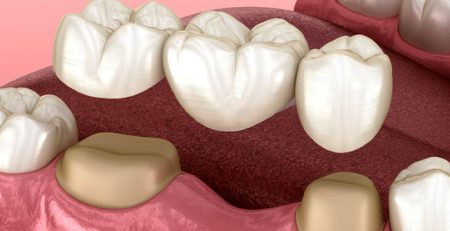
- Condition of existing fillings, crowns, and prostheses
Therefore, merely having clean visible tooth surfaces does not guarantee that all these structures inside the mouth are healthy.
1. Gum Disease Can Progress While Teeth Appear Healthy
One of the most important examples of this condition is periodontal diseases. Gum diseases affect the tissues surrounding and supporting the teeth much more than the teeth themselves.
A person may not have visible tooth decay, but the same person may start to experience bleeding gums, periodontal pocket formation, or bone loss in the supporting bone.
In its early stages, gum disease does not always cause pain. Therefore, slight bleeding, especially during brushing, may be overlooked by some people.
For detailed information about gum health, you can review Melsadent’s Gum Disease Treatment (Periodontology) page.
International scientific consensus reports on the definition and classification of periodontitis also state that clinical attachment loss, periodontal pocket measurements, and the condition of supporting tissues should be considered together in the evaluation of the disease. You can access the academic publication on the subject via PubMed.
2. Gum Pockets May Not Be Visible in the Mirror
Naturally, there is a small groove between the tooth and the gum. When periodontal disease progresses, this area can deepen, and a periodontal pocket may form.
The important point here is this: When a person looks in the mirror, they often cannot see a deepened periodontal pocket.
The teeth may still appear white and healthy. There may even be no significant pain. Despite this, disease may have developed in the supporting tissues around the tooth.
Periodontal pocket evaluation is performed with special periodontal probes. Pocket depths are evaluated together with bleeding, gum recession, attachment loss, and radiographic findings when necessary.
For more detailed information on this topic, you can read the Melsadent content titled What is a Gum Pocket? What is the Normal Depth in mm?.
3. There May Be Hidden Cavities Between Teeth
A tooth cavity does not necessarily have to appear as a large, black, or brown hole.
Cavities, especially those starting in the interproximal areas where two teeth touch, can develop in areas that are not easily visible to the person in a mirror. There may also be no pain in the initial stages.
Therefore, the idea of “I don’t see a hole in my tooth, so I don’t have a cavity” is not always correct.
In scientific literature, lesions that are not detected during a visible examination but can be identified with radiographic imaging have been studied for many years. You can review one of the academic assessments related to hidden cavities on PubMed.
In Melsadent’s content titled How to Distinguish Tooth Sensitivity from Cavities?, it is also discussed in detail that early-stage and interproximal cavities may not always be visible to the naked eye.
4. Tartar May Not Always Be Prominent on Front Teeth
Tartar formation is also one of the reasons why oral health is more complex than its external appearance.
The visible front surfaces of the teeth may be clean, but plaque and tartar accumulation can be found at the gum line, on the inner surfaces of the teeth, or in areas that are not easily visible to the person.
Tartar forms when bacterial plaque mineralizes and hardens. Once formed, it cannot be completely removed with normal toothbrushing, and professional cleaning may be required.
You can review our content titled Why Should Dental Calculus Be Cleaned? about why the formation and cleaning of dental calculus are important.
5. Bad Breath Can Be a Sign of an Invisible Problem
Bad breath is sometimes associated only with the foods consumed. However, persistent or frequently recurring bad breath can be a symptom of different problems that need to be evaluated within the mouth.
These include:
- Bacterial accumulation on the tongue surface
- Dental calculus
- Gum inflammation
- Periodontal pockets
- Interproximal cavities
- Dry mouth
- Insufficient interdental cleaning
- Some infections
may be present.
It is especially important to investigate the cause of persistent bad breath instead of merely masking its source with mouthwash or mentholated products.
For detailed information on this topic, you can read our guide How to Get Rid of Bad Breath?
6. Pain May Not Be Present Even If the Tooth Nerve Has Lost Its Vitality
Inside the tooth, there is a living tissue called pulp, which consists of blood vessels and nerves. This tissue can be damaged as a result of deep decay, trauma, or infection.
In some cases, while significant pain is experienced initially, the pain may decrease or completely disappear over time as a result of the nerve tissue losing its vitality.
This situation may not mean that the problem has healed.
Some infections developing at the root tip can remain silent for a long time and be detected during radiographic examination. Therefore, a tooth that has experienced severe pain in the past but whose complaint later resolved spontaneously may need to be evaluated.
You can find detailed information about the diagnosis and treatment processes of pulp and root canal diseases on Melsadent’s Root Canal Treatment (Endodontics) page.
7. Gum Bleeding Should Not Be Considered Normal
The phrase “My teeth are healthy, but they bleed a little when I brush” is heard quite frequently.
However, healthy teeth do not necessarily mean healthy gums. Recurrent gum bleeding may be a sign that needs to be evaluated for plaque accumulation, gingival inflammation, or periodontal disease.
Bleeding is especially more significant if accompanied by the following symptoms:
- Gum swelling
- Redness in the gums
- Bad breath
- Gum recession
- Gaps between teeth
- Discomfort while chewing
- Tooth mobility
In scientific studies evaluating the relationship between gum diseases and general health, the connections between periodontal diseases and certain systemic health conditions are particularly investigated. You can access one of the current scientific evaluations via PubMed.
In most of these relationships, drawing a simple conclusion like “one disease definitively causes another” is not accurate. However, it is clear that oral health is not an independent part of general health and that periodontal health needs to be considered.
8. Dry Mouth Can Pose Risks Even When Teeth Look Fine
Saliva is one of the natural protective systems for oral health. It helps remove food debris in the mouth, contributes to balancing the oral environment, and plays a role in protecting tooth surfaces.
When the amount of saliva decreases, a person may initially see no changes in their teeth.
However, prolonged dry mouth can:
- Increase the risk of cavities
- Cause bad breath
- Lead to a burning sensation or sensitivity in the tongue
- Cause difficulty swallowing
- Cause discomfort in the oral mucosa
- Lead to comfort issues in denture wearers
contribute to.
Therefore, it is important for individuals, especially those who notice a constant need to drink water, dry mouth at night, or reduced saliva, to report this condition to their dentist.
9. Teeth Grinding Can Damage Seemingly Healthy Teeth
Teeth clenching and grinding may also not be apparent in the early stages by merely looking at the teeth.
A person may unknowingly clench their teeth at night. Over time:
- Tooth wear
- Enamel cracks
- Shortening of teeth
- Morning jaw fatigue
- Jaw joint complaints
- Muscle pain in the head and face area
- Fractures in fillings or crowns
may be observed.
In the initial stages, the appearance of the teeth may be completely normal.
10. Problems Can Develop Underneath or Around Old Fillings
Even if a tooth with an existing filling or crown looks fine from the outside, it doesn’t always mean the restoration is in perfect condition.
Over time, at the edge of the filling:
- Microleakage
- Wear
- Marginal discrepancy
- Secondary caries
- Crack
problems such as these may develop.
While some issues are noticed during examination, radiographic evaluation may be necessary in some cases.
11. Soft Tissues in the Mouth Should Also Be Checked
Another important reason why oral examination should not be limited to teeth only is the necessity of evaluating soft tissues such as the tongue, cheeks, lips, palate, and floor of the mouth.
Professional evaluation is required when a non-healing sore, unexplained lump, white or red discoloration, numbness, or an area with a different appearance is noticed.
Most of these changes do not mean cancer. However, it is important not to ignore long-standing intraoral changes.
You can review our content titled Oral and Dental Cancers – Symptoms, Risks, and Prevention Methods regarding important symptoms that can be observed in the oral mucosa.
Good practice recommendations for clinical oral examination, even in adults without obvious mucosal abnormalities, are also found in the evidence-based early diagnosis guide published in 2026. You can access the academic source via PubMed.
Does Not Having a Toothache Mean You Are Healthy?
No. Pain is one of the important symptoms of oral and dental diseases, but it is not the sole criterion for health evaluation.
Pain usually occurs when a certain level of irritation or inflammation develops in tissues. In the early stages of the disease, the pain threshold may not have been reached.
Therefore, the following two statements do not mean the same thing:
- “My tooth doesn’t hurt.”
- “My tooth is completely healthy.”
The first statement only describes that no pain is felt at that moment. The verification of the second statement may require a clinical evaluation.
Does Having White Teeth Indicate They Are Healthy?
Tooth color alone is not a reliable indicator of oral health.
The color of natural teeth can vary from person to person. A tooth with slightly yellow tones can be completely healthy, while a tooth that appears quite white might have gum disease around it or decay between the teeth.
Therefore, tooth whiteness should not be used as a direct measure of oral hygiene or dental health.
What Can You Look For When Checking Your Oral Health at Home?
Home checks do not replace a dental examination but can help to detect some changes early.
You can regularly pay attention to the following conditions in the mirror:
- Gum bleeding during brushing
- Redness or swelling in the gums
- Gum recession
- Newly formed gaps between teeth
- Persistent bad breath
- Changes in tooth color
- Fracture or crack
- Non-healing sores in the mouth
- White or red mucosal areas
- Persistent changes on the tongue
- Tooth mobility
- Sensitivity to hot or cold
However, the absence of any symptoms does not definitively mean there is no problem.
How Does a Dentist Detect Problems in Healthy-Looking Teeth?
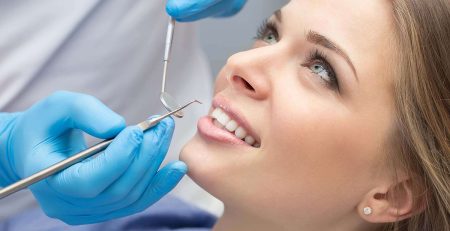
The main advantage of a dental examination is that oral health is not assessed solely by looking at the visible tooth surfaces.
Depending on the individual’s needs, the following methods may be used in the evaluation:
- Detailed clinical examination of the teeth
- Gum examination
- Periodontal probing
- Assessment of tooth mobility
- Checking the margins of fillings and crowns
- Examination of the chewing relationship
- Visual and tactile assessment of the oral mucosa
- Dental radiographs when necessary
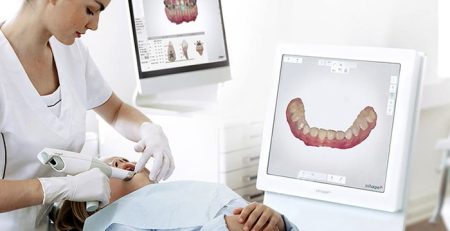
- Digital imaging methods as needed
The necessary method is not the same for every patient. Radiography and other imaging methods are planned according to clinical need.
Can Digital Imaging and Artificial Intelligence Find Hidden Problems?
With the development of digital dentistry, intraoral imaging and radiographic evaluation methods have also advanced significantly.
Digital radiographs can help evaluate some areas that the clinician cannot directly see during a clinical examination. Specifically, interproximal cavities, periapical regions, and bone levels can be examined with imaging methods in certain clinical situations.
Artificial intelligence-based image analysis systems are also being researched on dental radiographs today. There are systematic reviews and meta-analyses examining the performance of artificial intelligence systems in detecting interproximal caries, especially in bite-wing radiographs. For example, you can access the scientific review from 2024 via PubMed.
However, artificial intelligence systems should not be considered as standalone diagnostic tools or replacements for a dentist’s clinical evaluation. The obtained images should be evaluated together with the individual’s complaints, clinical examination findings, and other data.
You can find information about the digital approaches used at Melsadent on our Digital Dentistry page.
Why is a Regular Dental Check-up Important?
The main purpose of a regular check-up is not just to treat a painful tooth. The primary advantage is that it can enable the early assessment of problems that the individual has not yet noticed.
For instance, early detection of a small cavity, an initial stage gum problem, or an ill-fitting restoration can help prevent more extensive problems.
Furthermore, during the check-up, oral hygiene habits, interdental cleaning, signs of teeth grinding, periodontal status, and existing restorations can be evaluated together.
How Often Should One Go for a Dental Check-up?
There isn’t a single check-up interval that applies to everyone. The frequency of check-ups can vary depending on the individual’s current oral health and risk status.
Factors that may influence the check-up interval include:
- Frequent cavity formation in the past
- History of gum disease
- Presence of periodontal pockets
- Smoking and tobacco use
- Dry mouth
- Orthodontic treatment
- Use of implants or extensive prosthetics
- Presence of numerous fillings and crowns
- Individual’s oral hygiene habits
- Individual systemic and dental risk factors
may be present.
Therefore, the most appropriate check-up frequency should be determined by your dentist after evaluating your personal risk status.
Which Symptoms Require Consulting a Dentist Without Waiting for a Check-up?
If any of the following symptoms are present, an earlier evaluation may be appropriate instead of waiting for the routine check-up time:
- New or recurring tooth pain
- Tooth pain that wakes you up at night
- Gum bleeding
- Gum swelling
- Facial swelling
- Loose tooth
- Pain during chewing
- Broken tooth
- Loss of a filling or crown
- Persistent bad breath
- Non-healing sore in the mouth
- Unexplained oral color change
- Significant difficulty swallowing or opening the mouth
Emergency medical evaluation may be required, especially if there are rapidly progressing facial swelling, fever, or difficulty swallowing or breathing.
What Can Be Done to Maintain Oral Health When Teeth Appear Healthy?
The absence of visible problems is not a reason to neglect preventative oral care. On the contrary, maintaining preventative habits before symptoms appear is the foundation of oral health.
- Brush your teeth regularly: Cleaning tooth surfaces with the correct technique is one of the fundamental steps in plaque control.
- Clean between your teeth: Dental floss or suitable interdental products recommended by the dentist can be used in interproximal areas where toothbrush bristles cannot sufficiently reach.
- Don’t forget to clean your tongue: Accumulations on the tongue surface can contribute to bad breath.
- Pay attention to gum bleeding: Persistent or recurring bleeding should be evaluated.
- Don’t ignore dry mouth: The cause of prolonged dry mouth may need to be investigated.
- Control the frequency of sugary snacks: Frequent consumption of sugar and fermentable carbohydrates throughout the day can promote the tooth decay process.
- Stay away from tobacco products: Tobacco use is a significant risk factor for periodontal and oral health.
- Get your routine check-ups: Even if you have no complaints, maintain a check-up schedule appropriate for your personal risk status.
Oral and Dental Health Assessment at Melsadent
Of course, having teeth that look straight, white, and pain-free is a positive situation. However, a comprehensive assessment of oral health is not limited to appearance alone.
At Melsadent Oral and Dental Health Polyclinic, the patient’s complaints, the condition of the teeth, gum health, existing restorations, and intraoral tissues are evaluated in line with clinical needs. In cases where deemed necessary, areas difficult to detect with the naked eye can also be examined using imaging methods.
Even if you haven’t had any tooth pain for a long time, if you notice gum bleeding, bad breath, sensitivity, dry mouth, or any other change, you can get a dental evaluation without waiting for the problem to progress.
Can Oral Health Be Poor While Teeth Look Healthy? Short Answer
Yes. Healthy-looking teeth alone do not mean a healthy mouth. Gum diseases, periodontal pockets, interproximal cavities, dental calculus, problems around the root, dry mouth, and some intraoral soft tissue changes can progress without causing significant pain or visible problems.
Therefore, the idea of “I have no pain and my teeth look good” is not an alternative to regular oral and dental health check-ups.
Frequently Asked Questions
If my teeth are white, does that mean they are healthy?
No. White teeth are an aesthetic feature, but they do not solely indicate the health status of the gums, roots, bone, or interproximal surfaces of the teeth. Even in teeth that appear white, interproximal cavities or periodontal disease in the surrounding tissues may be present.
Can my tooth have a cavity even if it doesn’t hurt?
Yes. Especially early-stage cavities and some cavities that form between teeth can progress without causing pain. Sensitivity or pain may emerge as the cavity deepens, but waiting for pain to develop is not the correct approach for early diagnosis.
Can gum disease progress without causing pain?
Yes. Especially in the early stages of periodontal problems, there may be no significant pain. Other symptoms such as bleeding during brushing, bad breath, gum recession, or periodontal pocket formation may be observed.
Can bone loss occur while teeth are sound?
Yes. Periodontitis affects the supporting tissues surrounding the tooth much more than the hard tissue of the teeth. Therefore, periodontal support loss can be found around a tooth without decay.
How do I know if I have decay between my teeth?
Interproximal (between-tooth) decay may not be noticed by the person initially. Although dental floss constantly getting stuck in the same area, sensitivity, or color change may provide some clues, a definitive evaluation is made with a clinical examination and, if necessary, radiographic imaging.
Is it necessary to take an X-ray at every dental check-up?
No. Dental radiographs are not routinely performed on everyone with the same frequency. The need for radiography is determined by the person’s symptoms, oral health history, caries and periodontal risks, and clinical examination findings.
Should I see a doctor if I have gum bleeding but no pain?
It is recommended to evaluate recurrent gum bleeding. The absence of pain does not mean that the gums are completely healthy.
Can bad breath be a symptom of dental disease?
Yes. Persistent bad breath can be associated with bacteria on the tongue surface, gum disease, tartar, cavities, dry mouth, and other intraoral causes. The source of persistent bad breath should be investigated.
Can artificial intelligence detect tooth decay?
Artificial intelligence systems developed to support the detection of decay in dental radiographs exist, and these technologies are being investigated in scientific studies. However, artificial intelligence results should not be considered a definitive diagnosis on their own; they should be interpreted in conjunction with the dentist’s clinical examination and other findings.
If I don’t see any problems when I look at home, do I still need to go to the dentist?
Yes, regular check-ups are still important. Some oral and dental problems can begin in areas that a person cannot see in the mirror and may not cause noticeable symptoms in the initial stages. The frequency of check-ups should be determined by the dentist according to the individual’s risk status.
Are a healthy mouth and a beautiful smile the same thing?
No. An aesthetically pleasing smile can coexist with a healthy mouth, but the two are not the same concept. True oral health encompasses not only healthy teeth but also healthy gums, supporting bone, oral mucosa, salivary system, and chewing function.
Appearance Is Only One Part of Oral Health
It is reassuring for teeth to look healthy in the mirror, but it is not sufficient to assess overall oral health. Painless interproximal cavities, periodontal pockets, gum diseases, dental calculus, some problems around the roots, and changes in the oral mucosa may go unnoticed by the individual for a long time.
Therefore, the fundamental approach to oral health is not merely to visit the dentist when pain arises; rather, it is to evaluate potential problems early through preventive care, proper oral hygiene, and regular check-ups planned according to the individual’s risk status.
At Melsadent Oral and Dental Health Polyclinic, you can schedule an examination appointment to comprehensively evaluate your oral and dental health, get information about your current complaints, and learn about personalized treatment options.