Can Implants Be Done If There Is Bone Loss in the Jaw?
Can Implants Be Placed If There Is Bone Loss in the Jaw?
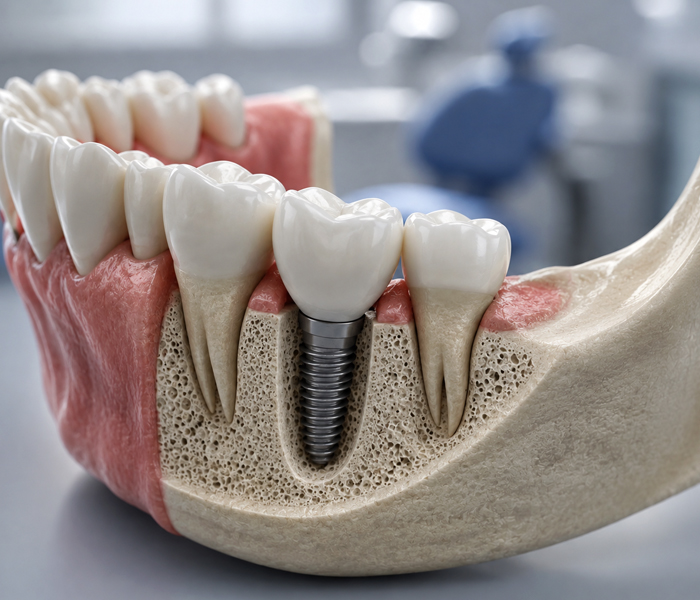
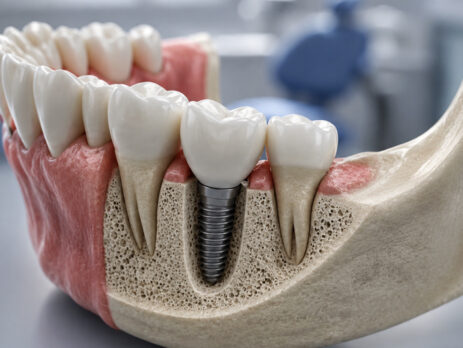
Can implants be placed if there is bone loss in the jaw? This is one of the most frequently asked questions by patients who want to get implants but learn during a dental examination that their jawbone has thinned or that the amount of bone has decreased. The short answer is: Yes, implants can be placed for many patients with bone loss or bone deficiency in the jawbone. However, whether the implant can be applied directly, whether a bone augmentation procedure is required first, or whether a different implant method is more suitable, varies from person to person.
In modern implantology, it’s not just a matter of “is there bone or not?”. The height, width, volume, quality of the bone, the anatomical region where the implant will be placed, its relationship with sinuses and nerves, gum health, and the forces the planned prosthesis will bear are evaluated together. For this reason, some patients who were told years ago “your bone is insufficient, an implant cannot be placed” can now be re-evaluated with different approaches such as bone grafting, guided bone regeneration, sinus lifting, short implants, All-on-4, or in advanced cases, zygoma implants.
Patients who want to learn the basic principles of implant treatment can also review the Melsadent Implant Treatment page.
What is Jaw Bone Resorption?
Jaw bone resorption means the loss of volume in the bone tissue surrounding teeth or implants over time. In dentistry, this process is often referred to as alveolar bone resorption or alveolar bone loss.
The jaw bone is not a static and unchanging structure. It is a living tissue that constantly remodels throughout life. Teeth and chewing forces provide mechanical stimulation to the bone. When a tooth is lost, the bone in that area no longer receives the same functional stimulation from the natural tooth root. As a result, a decrease in bone width and height may occur over time.
For this reason, particularly in areas that have been edentulous for many years, the amount of available bone for implants may be more limited compared to areas where teeth were lost recently.
Why Does Jaw Bone Resorption Occur?
There isn’t a single cause for jawbone loss. Understanding the reason for bone loss is also important in implant planning. Some of the most common causes are:
- Living with missing teeth for a long time,
- Leaving the area empty for a long time after tooth extraction,
- Advanced periodontitis and gum diseases,
- Chronic infections around the tooth,
- Trauma or jaw injuries,
- Long-term use of removable dentures,
- Some anatomical and developmental characteristics,
- Tissue changes that can occur with advanced age,
- Smoking and inadequate oral hygiene,
- Some systemic diseases and certain medications used.
Especially periodontitis can lead to the loss of supporting tissues surrounding the tooth and alveolar bone. In individuals with active gum disease, it is important to control the infection before implant planning. Detailed information on this can be found on our Gum Disease Treatment (Periodontology) page.
Is Bone Loss a Definitive Barrier to Dental Implants?
No. Bone loss alone is not a definitive barrier to implant treatment. The crucial factor is whether the existing bone can support the implant in a safe, three-dimensional position.
In some patients with mild bone loss, an implant of appropriate diameter and length can be used without requiring additional surgical procedures. In cases of moderate bone loss, bone augmentation procedures can be performed during the same session as the implant placement. For more advanced bone loss, it may be necessary to first regenerate the bone, await the healing period, and then place the implant.
Therefore, the statement “my jawbone has melted” alone is not sufficient to determine whether an implant is possible.
How Much Bone is Needed for an Implant?
It is not correct to speak of a single minimum bone measurement applicable to everyone for implants. The amount of bone required varies depending on the diameter and length of the implant to be used, the implant’s position, bone quality, adjacent anatomical structures, and the prosthetic treatment to be applied.
For example, in the upper posterior jaw, bone height may be limited due to the maxillary sinus. In the lower posterior jaw, the mandibular canal, through which the inferior alveolar nerve passes, is one of the important anatomical structures that limit implant length.
For this reason, an assessment based solely on a panoramic radiograph stating “there appears to be bone” may not be sufficient in some cases. Especially in advanced bone loss, three-dimensional radiological evaluation can help assess the width and height of the bone and its relationship with anatomical structures in more detail.
Why is 3D Tomography Important in Bone Resorption?
One of the most important stages of successful planning in implant treatment is to accurately evaluate the anatomy of the region where the implant will be placed. Three-dimensional dental imaging methods can provide detailed information to the clinician about bone volume in cases where it is deemed necessary.
During planning, the following main points are evaluated:
- Horizontal width of the bone,
- Vertical height of the bone,
- Position of the sinus floor,
- Position of the mandibular nerve canal,
- Adjacent tooth roots,
- Shape of the bone defect,
- Diameter, length, and angle of the planned implant,
- Ideal implant position for the prosthesis.
Digital planning and three-dimensional imaging can facilitate the personalized preparation of a surgical plan, especially in cases where bone quantity is limited. However, the imaging method and its necessity should be determined by the dentist according to the patient’s clinical condition.
What Methods Can Be Used for Implants If Bone Is Insufficient?
There is no single method that can be applied to patients with insufficient jawbone. Different treatment options can be evaluated depending on the area and degree of bone loss.
1. Bone Powder and Bone Graft Applications
Bone graft is one of the most frequently evaluated methods when there is insufficient bone volume in the area where the implant will be placed. The aim is to help create sufficient bone support around the implant.
Graft materials can be obtained from different sources. Materials taken from the patient’s own bone, human or animal-derived grafts, and synthetic materials can be used according to the clinical situation. Graft selection is made based on the size of the bone defect, the anatomy of the region, and the surgical method to be applied.
The American Association of Oral and Maxillofacial Surgeons also states that bone grafting can be used in dental implant applications to help create the necessary bone quantity and quality. For detailed scientific and clinical information, the AAOMS – Bone Grafting and Membranes resource can be examined.
2. Guided Bone Regeneration (GBR)
Guided Bone Regeneration (GBR), or guided bone regeneration, is one of the important advanced surgical approaches used to increase bone volume around or before implant placement.
In this method, the area where bone formation is targeted can be protected with graft materials and suitable membranes. This aims to prevent soft tissue from prematurely filling the area, creating a suitable space for bone formation.
GBR techniques can be evaluated, especially in cases of horizontal bone deficiencies and some combined defects. Current research continues to examine different membrane and scaffold systems in bone augmentation. For a systematic review published in 2026, the study Resorbable Scaffolds for Alveolar Ridge Augmentation Procedures can be examined.
3. Expansion of Thin Jawbone with Ridge Split
In some patients, the problem is not so much bone height as the bone being horizontally thin. In suitable cases, ridge expansion techniques, known as alveolar ridge split, can be evaluated.
In this procedure, the existing alveolar ridge is expanded in a controlled manner to obtain the necessary horizontal volume for the implant. However, the method cannot be applied in every thin bone case. The existing bone structure, characteristics of the cortical bone, and the anatomy of the defect must be taken into account.
A systematic review and meta-analysis evaluating the effect of the alveolar ridge split method on bone width and implant outcomes can be accessed via PubMed.
4. Bone Gain in the Upper Jaw with Sinus Lifting
One of the most important anatomical factors making implant placement difficult in the upper posterior region is the maxillary sinus. Especially in individuals who have been missing upper molars for a long time, the vertical bone height available for implants may decrease due to the position of the sinus cavity and alveolar bone loss.
In this situation, sinus lifting or sinus floor elevation procedure can be considered in suitable patients. During the procedure, the membrane on the sinus floor is raised in a controlled manner, preparing the area where the necessary bone formation for the implant will be supported.
The details of the procedure can be examined in Melsadent’s specially prepared content, Safe Implant Planning with Sinus Lifting in Case of Bone Deficiency.
Sinus floor elevation techniques have been scientifically investigated in implantology for many years. One of the systematic reviews and meta-analyses on the subject is the Osteotome-mediated Sinus Floor Elevation study.
5. Can Short Implants Be an Alternative to Bone Grafting?
The idea that a major bone graft operation is always necessary in every case of bone deficiency is not valid today. In some patients where anatomical conditions are suitable, short implants can be considered as an alternative treatment option.
There are numerous studies comparing the application of short implants with standard-length implants after bone augmentation procedures, especially in the posterior jaw regions.
A 2023 umbrella review and meta-analysis evaluated the outcomes of standard implants used after bone augmentation with short implants in the atrophic posterior mandible. The study can be accessed via PubMed – Short Implants Compared to Regular Dental Implants After Bone Augmentation.
Similarly, another systematic review evaluating randomized controlled trials also investigated that short implants could be a treatment alternative in suitable posterior atrophic ridges: Short Dental Implant as Alternative to Long Implant with Bone Augmentation.
However, for a short implant to be used, the remaining bone must still be able to support the implant to a certain extent. Therefore, it is not correct to generalize by saying ‘if there is little bone, a short implant is used’.
6. Can All-on-4 be Used in Advanced Bone Loss?
In patients who have lost many or all of their teeth, the distribution of bone loss can make classic single implant planning difficult. In some edentulous patients, full-arch implant treatments like All-on-4 may be considered.
In the All-on-4 system, the positions of the implants, and especially the angled placement of the posterior implants, can allow for strategic use of the existing bone. However, All-on-4 is not a method that completely eliminates bone grafting in every bone loss case. The patient’s anatomy must be evaluated individually.
For detailed information about the treatment, you can review our content on All-on-4 Implant Treatment.
7. Zygomatic Implants in Very Advanced Maxillary Bone Resorption
In some patients with very advanced bone atrophy in the upper jaw, there may not be enough maxillary bone to support standard implants. In such advanced cases, one of the special surgical methods is zygomatic implants.
Unlike conventional implants, zygomatic implants are special implant systems planned to be supported by the zygomatic bone in severely atrophic upper jaws. This method is not a routine implant application and requires advanced surgical evaluation.
Melsadent’s Zygoma Implant Treatment – Innovative and Permanent Solution for Bone Loss content explains in detail which patients can be considered for this treatment approach in cases of advanced upper jaw bone loss.
Can Bone Grafting and Implant Placement Be Done Simultaneously?
Yes, in some patients. If the bone loss is limited and the existing bone is capable of providing initial stability for the implant, then implant placement and bone augmentation can be performed in the same session.
However, if the bone loss is advanced, it may be preferable to first perform bone grafting or augmentation, wait a certain period for the new bone to heal, and then place the implant in a subsequent session.
The primary factor determining the decision is not solely the amount of bone loss. The shape of the defect, the condition of the soft tissue, the presence or absence of infection, the primary stability of the implant that can be achieved, and the planned prosthesis are also important.
How Long to Wait for an Implant After Bone Graft?
There isn’t a single waiting period for when an implant can be placed after a bone graft that applies to everyone. The healing time for a minor bone augmentation procedure is not the same as for a large-volume reconstruction.
The graft material used, the amount of graft, the surgical area, the patient’s healing capacity, and the surgical technique can affect the waiting period. While some procedures can be performed simultaneously with the implant, in some advanced cases, several months of bone healing may be expected.
Therefore, statements seen on the internet such as “definitely 3 months after bone powder” or “always wait 6 months” should not be used in place of a personal treatment plan.
Is Bone Resorption in the Upper and Lower Jaw the Same?
No. The anatomical features of the upper and lower jaw are different, and this difference can directly affect the implant plan.
In the upper posterior jaw, the maxillary sinus is an important anatomical limitation. When bone height decreases in this region, sinus lifting may become necessary.
In the lower posterior jaw, the canal through which the inferior alveolar nerve passes is critically important. A safe distance between the implant and the nerve must be maintained. When vertical bone height is limited, short implants or different surgical methods may be considered.
In the anterior regions, not only the implant’s integration with the bone but also the gum and bone contours supporting the aesthetic outcome become important.
Can Implants Be Placed if Bone Has Resorbed Due to Advanced Gum Disease?
Bone loss around the tooth due to periodontitis does not automatically make implant treatment impossible. However, it is not appropriate to proceed with implant treatment without active periodontal disease being brought under control.
First, infection should be controlled, oral hygiene improved, and periodontal tissues stabilized as much as possible. This is because if the risk factors causing disease around natural teeth are not controlled, the tissues around the implant may also experience problems in the long term.
Therefore, implant planning should not be considered merely as a ‘missing tooth replacement’ procedure, but as a long-term treatment encompassing overall oral health.
Can Implants Be Done If There Is Osteoporosis?
Local bone loss in the jawbone is not the same condition as systemic osteoporosis. A diagnosis of osteoporosis alone does not necessarily mean that implants cannot be placed in all patients.
However, the degree of osteoporosis, the patient’s general health status, and especially the medications they use are important. Some antiresorptive medications may require special evaluation for jawbone surgeries. Therefore, patients undergoing osteoporosis treatment must inform their dentist of the names, dosages, and duration of use of their medications.
For more detailed information about general health conditions that may pose a risk for implants, our article Who Cannot Get Dental Implants? Risky Conditions and Solutions can be reviewed.
Can Implants Be Successful in Patients with Bone Loss?
Success does not depend solely on the initial amount of bone. Correct diagnosis, appropriate surgical technique, the three-dimensional position of the implant, bone and soft tissues around the implant, the patient’s oral hygiene, smoking, systemic health status, and regular check-ups collectively affect the outcome.
In necessary cases, bone augmentation can be performed to create a suitable anatomical environment for the implant. However, it is not scientifically correct to guarantee 100% success for any surgical procedure.
For the long-term success of implant treatment, it is particularly important for the patient to maintain regular care and check-ups after the treatment.
Does Every Patient with Bone Loss Need Bone Graft Material?
No. This is one of the most common misconceptions among patients regarding this matter.
Even if there is bone loss, if the existing bone can safely support a suitable implant, additional grafting may not be necessary. In some cases, a small local graft may suffice. In others, a short implant may be considered. Sinus lifting may be required in the upper posterior region. In edentulous patients, different implant distributions such as All-on-4 can be evaluated.
Therefore, the aim of the treatment is not to perform the maximum number of surgical procedures possible, but to determine a predictable treatment plan that is suitable for the patient’s anatomy and prosthetic needs.
If Bone Loss is Very Advanced, Can Implants Still Be Placed?
Advanced bone loss can make treatment more complex, but this does not automatically mean that “implants cannot be placed.”
In advanced cases, options may include large-volume bone augmentation, block grafts, sinus floor elevation, different implant lengths, full-arch rehabilitations, and in selected upper jaw cases, zygomatic implants.
However, in some patients, due to their general health condition or anatomical circumstances, the risks of advanced surgical procedures might outweigh their benefits. In such cases, removable or fixed prosthetic alternatives should also be considered.
Can Artificial Intelligence Determine Jaw Bone Resorption and Implant Suitability?
Artificial intelligence-assisted image analyses are one of the rapidly developing fields in dentistry. Numerous studies are being conducted on identifying anatomical structures in radiographs, analyzing periodontal bone levels, and evaluating images that can assist in implant planning.
However, an assessment like “I showed my X-ray to artificial intelligence, and it said an implant can be done” does not replace a clinical examination. Implant suitability cannot be determined solely by the amount of bone visible in the image. Gum condition, oral hygiene, systemic diseases, medications used, occlusal relationships, prosthetic planning, and surgical risks must also be evaluated.
In the future, artificial intelligence can be a powerful decision support tool assisting the clinician in implant planning; however, the final diagnosis and treatment plan must be made through clinical examination and clinician evaluation.
What Checks Are Done Before Implants If There Is Bone Resorption in the Jaw?
Implant planning in a patient with bone loss typically involves several different assessments:
- Intraoral and gum examination,
- Assessment of the missing tooth area,
- Panoramic radiography and, if necessary, three-dimensional imaging,
- Evaluation of bone width and height,
- Determination of the position of anatomical structures such as sinuses and nerves,
- Control for active infection or periodontitis,
- Evaluation of the medications used by the patient,
- Inquiry about systemic diseases such as diabetes,
- Evaluation of risk factors such as smoking and bruxism,
- Planning of the prosthesis to be made and the chewing forces.
As a result of these evaluations, it can be decided which of the plans – direct implant, simultaneous bone augmentation with implant, or staged surgery – is appropriate.
What Should Patients with Osteoporosis Pay Attention to Before Implants?
The success of the treatment does not depend solely on the surgical technique. The patient must also support the healing process.
- If smoking, the doctor must be informed.
- If diabetes is present, blood sugar control is important.
- All medications used, including osteoporosis medications, must be specified.
- If gum disease is present, it should be treated before the implant.
- Oral hygiene should be maintained regularly before and after the implant.
- If bruxism or nocturnal teeth grinding is present, the doctor should be informed.
- Control appointments should not be missed.
Is it Correct to Postpone Implant Treatment While Having Osteoporosis?
The answer to this question varies from patient to patient. However, postponing implant planning for years can make the treatment more complex for some patients, as the alveolar bone can lose volume over time after tooth loss.
This does not mean that every extracted tooth should be immediately replaced with an implant. However, evaluating the long-term treatment plan for the area with missing teeth at an early stage can provide an advantage.
If an implant is particularly being considered, discussing the future implant plan before or immediately after tooth extraction can enable the evaluation of options aimed at preserving the bone in necessary situations.
Frequently Asked Questions
My jawbone has eroded; can I still get an implant?
Yes. Implants can be applied in many cases of bone loss. However, whether a direct implant, bone graft, sinus lift, or a different implant method is required is determined after examination and radiological evaluation.
Can an implant be done if there is no bone?
If there isn’t enough bone to support the implant, a standard implant may not be directly applicable. However, treatment options can be created through bone augmentation, sinus lift, or different implant techniques in selected advanced cases.
Can an implant be done without bone graft material?
Yes. If there is sufficient natural bone, a bone graft may not be necessary. In some cases of bone deficiency, alternatives such as short implants or different implant positions can also be considered.
Can bone graft material and an implant be done at the same time?
It can be done in suitable cases. In cases of advanced bone loss, a bone augmentation procedure may need to be performed first, followed by implant placement after healing.
Does jawbone regenerate on its own?
Significant alveolar bone loss that has occurred after tooth loss is generally not expected to fully return to its original volume on its own. When necessary, regenerative or surgical bone augmentation methods are evaluated.
If the jawbone is thin, can an implant be done?
It’s possible. The thickness of the bone and the nature of the defect are important. Methods such as local bone graft, GBR, or ridge split in suitable cases can be considered.
What is done if there is little bone in the upper jaw?
Sinus lifting can be applied in some patients, especially in the upper posterior region where bone height is insufficient. In some cases, short implants can also be an alternative.
Can implants be placed if there is bone resorption in the lower jaw?
Yes, they can; however, the position of the nerve canal in the lower jaw is particularly important. The remaining bone height and width are evaluated in three dimensions to plan the implant length and surgical method.
What is done in very advanced bone resorption?
Methods such as bone augmentation, block graft, full-arch solutions like All-on-4, or zygomatic implants in advanced upper jaw atrophies can be considered. Which method is suitable is specific to the individual.
Can implants be placed if there is bone resorption due to periodontitis?
Active periodontitis must first be treated. After the disease is brought under control and oral hygiene is established, implant suitability can be re-evaluated.
Is osteoporosis a barrier to implant placement?
A diagnosis of osteoporosis alone is not a definitive contraindication for every patient. However, the condition of the disease and especially any antiresorptive medications used must be evaluated by a physician.
When are implants placed after bone grafting?
The duration varies depending on the size of the procedure and the method used. While some implants can be placed in the same session as the graft, in some patients, it may be necessary to wait a few months for bone healing.
Can a short implant substitute for a bone graft?
In some suitable cases, short implants can be an alternative to bone augmentation surgery. However, it is not possible to use short implants in every bone loss case.
Can implants be placed without tomography?
The need for imaging is determined on a case-by-case basis. Especially in cases involving advanced bone loss, proximity to the sinus, or proximity to the mandibular nerve canal, three-dimensional imaging can provide important information for treatment planning.
Can artificial intelligence determine whether an implant can be placed from an X-ray?
Artificial intelligence can assist in radiological analysis, but the decision for an implant cannot be made solely based on image analysis. Clinical examination, general health, gum condition, bone anatomy, and prosthetic plan must be evaluated together.
Bone Loss is Not Always the End for Implants
The answer to the question, “Can implants be placed if there is bone loss in the jaw?” should not be given as merely “yes” or “no” for most patients. The amount of bone loss, its location, the three-dimensional structure of the bone, gum health, anatomical structures such as sinuses and nerves, the patient’s general health, and the prosthetic plan must all be evaluated together.
While direct implant placement may be possible in cases of mild bone loss, some patients may require bone grafting along with the implant. In more advanced cases, methods such as guided bone regeneration, ridge split, or sinus lifting may be considered. In suitable patients, short implants or different implant strategies like All-on-4 may be preferred. For very advanced upper jaw bone loss, advanced surgical options such as zygomatic implants may be considered.
Therefore, having been told previously “your jawbone is insufficient” or “you have little bone for an implant” does not mean that no implant option is available today. The most appropriate approach is a detailed evaluation of the existing bone and oral structure, and the preparation of a personalized implant treatment plan.
To get information about implant and advanced surgical treatment options at Melsadent Oral and Dental Health Polyclinic, you can review the Oral, Dental and Maxillofacial Surgery and Implant Treatment pages, and you can request a clinical evaluation to determine the most suitable treatment option.