When Does a Decayed Tooth Require Root Canal Treatment?
When does a carious tooth require root canal treatment? The short answer is; a root canal treatment decision is not made solely based on the size of the carious tooth. The extent to which the decay affects the vital tissue of the tooth called the pulp, whether the pulp maintains its vitality, the character of the pain, clinical tests, and, when necessary, radiographic findings are evaluated together. Particularly, pain that starts spontaneously or wakes one up at night, pain that persists for a long time after hot-cold contact, chewing sensitivity, pulp necrosis, or signs of infection or abscess at the root tip may increase the likelihood of a root canal treatment.
However, there is an important point: not every deep cavity automatically requires root canal treatment. In current dentistry approaches, the aim is to preserve the vital pulp tissue of the tooth as much as possible in suitable cases. Therefore, while some deep cavities can be managed with fillings or vital pulp treatments, for some teeth root canal treatment may become the most suitable option to keep the tooth in the mouth.
Why Might a Carious Tooth Need Root Canal Treatment?
The outer part of the tooth consists of enamel, underneath which is dentin, and further inside is the pulp. The pulp is a living structure containing nerves, blood vessels, and connective tissue. In its initial stage, tooth decay may be limited to the enamel. As the process progresses, it can reach the dentin, and if left untreated, it can approach or directly affect the pulp tissue.
Caries bacteria and the products they form can initiate an inflammatory response in the pulp. Some initial pulp reactions may heal after appropriate treatment. However, as inflammation progresses, a significant portion of the pulp tissue can be irreversibly affected, or the pulp may completely lose its vitality.
When pulp necrosis develops, the root canal system can become an area where bacteria can settle. Over time, the infection can spread from the root tip to the surrounding tissues, causing problems such as apical periodontitis or an abscess. At this stage, the canal system may need to be cleaned, disinfected, and filled.
In Melsadent’s content What is root canal treatment and when is it needed?, the primary purpose of root canal treatment is explained as the removal of infected or severely damaged pulp tissue and, whenever possible, the preservation of the natural tooth in the mouth.
Is Root Canal Treatment Performed on Every Decayed Tooth?
No. Not every decayed tooth requires root canal treatment. If the decay is limited to the enamel or dentin tissue, and the pulp is healthy or has the potential to heal, more conservative methods than root canal treatment can be preferred.
Treatments that can be evaluated according to the stage of decay are generally as follows:
- Conservative and remineralization-focused applications for early carious lesions,
- If a cavity has formed in the tooth tissue, restorative filling treatments,
- In appropriate cases of deep caries, selective caries removal methods,
- In some appropriate cases where the pulp is exposed, vital pulp therapies such as direct pulp capping, partial pulpotomy, or full pulpotomy,
- Root canal treatment in cases where pulp preservation is not predictable or where pulp necrosis and root canal infection are present.
The scientific position statement on the management of deep caries and exposed pulp published by the European Society of Endodontology states that the modern treatment approach focuses on preserving pulp vitality whenever possible. Similarly, the American Association of Endodontists’ Vital Pulp Therapy Position Statement document also emphasizes that vital pulp therapy can be considered in appropriate cases.
What Are the Symptoms Indicating a Decayed Tooth May Require Root Canal Treatment?
It is not correct to decide on root canal treatment based on a single symptom. However, some complaints may suggest that the decay might have progressed to the pulp.
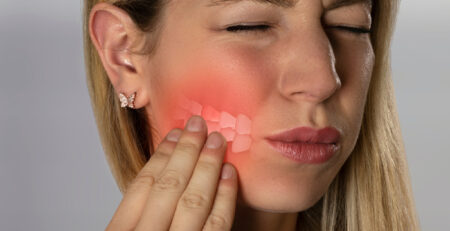
1. Spontaneous Tooth Pain
Pain that starts without eating or drinking anything, touching the tooth, or without a clear trigger is one of the symptoms suggesting that the pulp may be more significantly affected.
Especially pain that recurs, throbs, or appears spontaneously at regular intervals during the day requires investigation into a more comprehensive problem than a simple superficial cavity.
However, the spontaneous onset of pain alone does not mean a decision for root canal treatment. The dentist evaluates the pain history along with clinical tests.
2. Toothache Waking You Up at Night
One of the significant complaints frequently described by patients is toothache that starts at night or becomes severe enough to wake a person from sleep.
Night pain is one of the findings that may indicate advanced pulp inflammation in deep cavities. Especially if the pain starts spontaneously, lasts for a long time, and necessitates painkillers, a dentist’s examination should not be postponed.
However, it is not correct to generalize that “if it hurts at night, root canal treatment is definitely required.” A cracked tooth, a high restoration, or different dental problems can also cause pain.
3. Prolonged Pain After Cold or Heat
When cold water or sweets are consumed, a brief sensitivity lasting a few seconds, and pain that continues even after the stimulus is removed, are not evaluated in the same way.
Brief, sharp sensitivity can arise from dentin hypersensitivity, early or moderate decay, or other reasons. However, if the pain persists significantly, especially after contact with hot or cold, it may suggest that the pulp tissue is more severely affected.
To examine the distinction between these two situations in more detail, Melsadent’s content on how to distinguish between tooth sensitivity and decay can be reviewed.
4. Pain When Biting Down or Chewing
In a decayed tooth, not only hot-cold sensitivity but also the occurrence of pain when biting down or chewing food can be an important finding.
In some cases, this pain may be associated with inflammation affecting the tissues around the tooth root. In addition, different reasons such as a cracked tooth, fractured restoration, periodontal problems, or an occlusal high point can also cause chewing pain.
Therefore, a direct conclusion such as “root canal treatment is performed on a tooth that hurts when bitten” should not be drawn. The source of the pain needs to be determined.
5. Swelling or Abscess Formation in the Gums
When pulp necrosis and root canal infection develop as a result of deep decay, the infection can advance to the root apex. This can lead to swelling on the gums, facial swelling, pus discharge, bad taste, or an abscess.
The development of a tooth-related abscess is a condition that requires professional treatment. Even if the abscess drains and the pain subsides, the source of the infection may not have been eliminated.
Melsadent’s Can a tooth abscess go away on its own? guide also highlights the importance of identifying the underlying cause of the abscess and applying the necessary dental treatment.
If the tooth is salvageable, root canal treatment may be considered to eliminate the source of infection. If the tooth cannot be restoratively saved, different treatment options may come into play.
6. Sudden Cessation of Pain Does Not Always Mean Healing
After a severely decayed tooth has ached intensely for a long time, the sudden disappearance of the pain can bring relief to the patient. However, this does not always mean that the tooth has healed.
In some cases, when the pulp loses its vitality, sensitivity to hot and cold or the previously felt severe pain may decrease. Despite this, the infection in the root canal system can continue to progress.
Therefore “my tooth no longer hurts, so no treatment is needed” idea can be misleading. It is especially important to check deep cavities that previously caused severe pain.
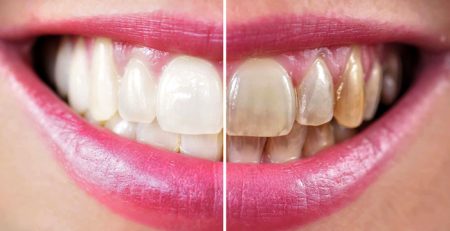
7. Discoloration of the Tooth
The tooth turning grey or dark in color can, in some cases, be associated with the loss of pulp vitality. However, not every change in tooth color signifies pulp necrosis.
Old fillings, pigments, trauma, or various structural changes can also cause color differences. Therefore, the cause of the discoloration is investigated through pulp vitality tests and other necessary evaluations.
8. Lesion at the Root Apex Seen on X-ray
In some teeth, advanced pulp or root canal infection can progress without causing significant pain. The detection of a radiolucent area at the root apex on a radiograph taken during a routine examination may require the evaluation of the pulp and periapical tissues.
Therefore, it is not appropriate to assess the need for root canal treatment solely based on the patient’s pain level. A tooth that does not hurt may also require root canal treatment.
Does a Deep Cavity Require a Filling or Root Canal Treatment?
“I have a deep cavity, is a filling sufficient?” is one of the most frequently asked questions by patients. The answer to this cannot be given solely based on the size of the cavity on the x-ray.
The dentist primarily evaluates the following factors together:
- The depth of the cavity,
- Its proximity to the pulp,
- Whether the pulp is vital,
- The response to cold and other pulp tests,
- Whether the pain starts spontaneously,
- How long the pain persists after a stimulus,
- Percussion and palpation findings,
- Radiographic image,
- Whether there is an infection or bone change at the root tip,
- Whether there is a crack or fracture in the tooth,
- Whether the tooth is restoratively salvageable.
If vital pulp, either healthy or with healing potential, is found beneath a deep cavity, pulp-preserving approaches can be considered. However, if the pulp has become necrotic or the root canal system is infected, merely placing a filling will not eliminate the source of infection.
Is Root Canal Treatment Always Necessary if a Cavity Reaches the Nerve?
In the past, root canal treatment was more frequently considered in many cases where a cavity exposed the pulp. Today, with the development of biological and minimally invasive dentistry approaches, this evaluation is performed in more detail.
The exposure of the pulp alone may not mean that all pulp tissue is irreversibly lost. In appropriately selected cases, vital pulp treatments such as direct pulp capping, partial pulpotomy, or full pulpotomy can be considered.
The clinical guidelines on vital pulp treatment in permanent teeth, published in 2025, state that pulp-preserving methods can be evaluated in certain teeth with deep cavities and vital pulp. Current systematic reviews also show that vital pulp treatment can be successful in specific patient and tooth groups.
However, not every patient is suitable for these treatments. The choice of treatment is determined by the clinical condition of the tooth, direct evaluation of the pulp, control of bleeding, possibility of restoration, and the clinician’s case assessment.
According to the Current Scientific Approach, Is Root Canal Treatment Mandatory for Every Advanced Pulp Inflammation?
Significant scientific advancements are occurring in dentistry regarding this matter. Traditionally, one of the standard treatments for permanent teeth diagnosed with symptomatic irreversible pulpitis is root canal treatment. However, new studies show that vital pulp treatments, such as full pulpotomy, can be an alternative for some carefully selected permanent teeth with vital pulp.
Published in 2026, the S3-level clinical practice guideline on deep caries management supports minimally invasive approaches aimed at preserving pulp vitality in deep caries whenever possible.
Therefore, today the treatment question is not just “will a root canal be performed?” The more accurate question is; “Can this tooth’s pulp be safely and predictably preserved, or does the root canal system need to be treated?”
How is the Decision Made for Root Canal Treatment in a Carious Tooth?
The decision for root canal treatment is usually made by interpreting the patient’s history, clinical examination, pulp tests, and imaging findings together.
Pain History is Assessed
The dentist may inquire about when the pain started, under what circumstances it increased, whether it occurred at night, how long it lasted, its relation to hot-cold stimuli, and whether it spread to other areas.
Cold and Pulp Sensitivity Tests Can Be Performed
The response of the suspicious tooth to a cold stimulus can be compared with adjacent and contralateral teeth. The duration and character of the response can assist in evaluating the pulp’s condition.
However, no pulp test alone provides a 100% definitive diagnosis. The results must be evaluated in conjunction with other clinical findings.
Percussion and Palpation Tests Can Be Used
Sensitivity that occurs when the tooth is tapped in a controlled manner or when palpation is applied to the tissues around the root can provide information about the involvement of surrounding tissues.
Radiographic Evaluation is Performed
Radiographs help to evaluate the approximate depth of the decay, the condition of the roots, the surrounding bone, and whether there are pathological changes at the root apex.
However, radiography alone does not show the true histological condition of the pulp. Therefore, the image should not be interpreted independently of the clinical examination.
The Salvageability of the Tooth is Evaluated
The feasibility of root canal treatment does not always mean that the tooth can be saved in the long term. If the decay has progressed significantly below the gum line, if there is severe structural loss in the tooth, or if there is an untreatable fracture, restoration options should be evaluated separately.
The aim of modern treatment is not only to clean the root canal system, but to keep a natural tooth that can function and be restored in the mouth for a long time.
What Can Happen If Root Canal Treatment is Delayed in a Decayed Tooth?
If a tooth that truly needs root canal treatment is left untreated, the problem can progress. The pulp may lose vitality, and bacteria can multiply throughout the root canal system.
Over time, the following problems may develop:
- Worsening or recurrent toothache,
- Pulp necrosis,
- Root apex infection,
- Swelling in the gum or facial area,
- Abscess formation,
- Pain during chewing,
- Infection-related changes in bone tissue,
- Further loss of tooth structure,
- Increased difficulty in restoratively saving the tooth.
If there are symptoms such as rapidly increasing swelling, fever, general malaise, or difficulty swallowing or breathing, especially in the facial area, emergency medical and dental evaluation is required.
Can Antibiotics Replace Root Canal Treatment in a Carious Tooth?
No. Antibiotics are not a substitute for root canal treatment. If infected or necrotic tissue within the root canal system needs to be mechanically and chemically cleaned, using only antibiotics will not eliminate the source of the problem.
Antibiotics are not needed for every toothache. They may be prescribed by a physician in specific cases where signs of systemic infection are present and deemed necessary. Unnecessary or uncontrolled antibiotic use is not appropriate.
Can a Carious Tooth That Has Undergone Root Canal Treatment Be Saved?
With proper case selection and a successful restoration, a natural tooth that has undergone root canal treatment can function in the mouth for a long time. One of the primary goals of root canal treatment is to preserve an infected tooth that might otherwise require extraction, as much as possible.
During the treatment, infected or damaged pulp tissue is removed, the root canals are cleaned and shaped, and then filled with appropriate materials. Subsequently, a permanent restoration is planned according to the tooth’s substance loss.
Detailed information about normal and evaluable types of pain that may occur after root canal treatment can be obtained from Melsadent’s guide on is pain after root canal treatment normal?.
Is Root Canal Treatment Unnecessary if the Tooth Doesn’t Hurt?
No. This idea is one of the most common mistakes. After the pulp loses its vitality, the tooth can become completely painless for a period. Nevertheless, microorganisms in the root canal system can still affect the surrounding tissues.
Some chronic root tip infections can progress for a long time without causing significant symptoms and can only be detected during radiographic examination.
Therefore, the criterion for determining the need for root canal treatment is more comprehensive than the question, “Does the tooth hurt?”
When Should You See a Dentist for a Decayed Tooth?
It is not right to wait for pain to start when a cavity is suspected. In cavities detected early, more natural tooth tissue can be preserved, and treatment can often be more conservative.
It is especially important not to delay evaluation in the following situations:
- If there is a visible hole or dark area in the tooth,
- If sensitivity to cold, hot, or sweet recurs,
- If pain persists after the stimulus is removed,
- If the tooth hurts spontaneously,
- If there is pain that wakes you up at night,
- If pain occurs when pressure is applied to the tooth,
- If there is swelling or discharge in the gum,
- If swelling has started in the face,
- If a previously aching tooth suddenly becomes completely numb,
- If there is a fracture or significant substance loss in the tooth.
When Does a Decayed Tooth Require Root Canal Treatment? A Brief Summary
Whether a cavity requires root canal treatment is not determined solely by the size of the cavity. The condition of the pulp and periapical tissues is the primary determinant.
Many superficial and moderate cavities can be treated with fillings or more conservative methods. In some deep cavities, if pulp vitality can be preserved, current vital pulp treatments may be considered.
In contrast, in cases where the pulp has lost its vitality, the root canal system is infected, apical tissues are affected, or the pulp cannot be reliably protected, root canal treatment may become necessary to save the natural tooth.
Therefore, the most accurate approach is not to decide “root canal if the pain is severe, filling if it’s mild”; rather, it is to determine the biological condition of the tooth through clinical examination, pulp tests, and necessary imaging methods.
Cavity and Root Canal Treatment Assessment at Melsadent
In carious teeth, it is important to preserve as much natural tooth tissue and the vitality of the tooth as possible. However, delaying treatment when the infection has progressed to the pulp or root canal system can lead to more extensive problems.
At Melsadent Oral and Dental Health Polyclinic, cavities, toothache, and the need for root canal treatment are planned by collectively evaluating the patient’s complaints, clinical examination findings, and necessary imaging methods. For more detailed information about root canal treatment, you can review the Root Canal Treatment (Endodontics) page.
If you have recurring sensitivity, spontaneous pain, night pain, sensitivity during chewing, or swelling in your tooth, it is important to get a dental evaluation without waiting for the cavity to progress.
Frequently Asked Questions
Is every deep cavity treated with root canal?
No. A deep cavity alone is not an indication for root canal treatment. The vitality of the pulp, the characteristics of the pain, clinical tests, and radiographic findings are evaluated. In appropriate cases, pulp-preserving treatments can be applied.
Is root canal treatment mandatory if the cavity reaches the nerve?
Not always. If the pulp is exposed due to decay, the condition of the pulp is evaluated. In appropriate cases, vital pulp therapies such as direct pulp capping, partial pulpotomy, or full pulpotomy may be considered. However, in cases where the pulp is necrotic or cannot be preserved, root canal treatment may be necessary.
How can you tell if decay has reached the nerve?
Spontaneous pain, night pain, prolonged pain after hot-cold stimuli, and certain clinical test findings may suggest pulp involvement. However, a definitive evaluation is not based solely on symptoms; a dental examination and necessary tests are required.
Does a tooth aching at night definitely require root canal treatment?
No. Night pain is an important symptom that may suggest advanced pulp inflammation, but it alone does not determine the need for definitive root canal treatment. The source of the pain must be examined.
Does a tooth that aches with hot water require root canal treatment?
Pain that starts with heat and especially continues for a long time after the stimulus is removed should be carefully evaluated for pulp disease. However, whether root canal treatment is necessary cannot be determined solely by this symptom.
Does every decayed tooth that aches with cold require root canal treatment?
No. Cold sensitivity can be seen in early or moderate decay, dentin sensitivity, cracks, and various dental problems. Short-lived sensitivity and prolonged pain can be evaluated differently from a clinical perspective.
Can a non-painful decayed tooth require root canal treatment?
Yes. After pulp necrosis develops, the tooth may become painless. Root apex infections can also sometimes show no symptoms for a long time. Therefore, the absence of pain does not guarantee that the pulp is healthy.
Does a decayed tooth abscess resolve with root canal treatment?
If the abscess is caused by an infection in the tooth’s root canal system and the tooth is salvageable, root canal treatment can be performed to eliminate the source of the infection. However, the source and spread of the abscess must be examined.
If I take antibiotics, will I no longer need root canal treatment?
No. Antibiotics do not replace the cleaning of an infected root canal system. Antibiotics should only be used in specific clinical situations where deemed necessary by the physician.
Is a filling or root canal treatment better for a decayed tooth?
These two treatments are not randomly chosen as alternatives to each other. If the pulp is healthy or salvageable, more conservative restorative methods are preferred. If the root canal system requires treatment, merely placing a filling will not be sufficient. The aim is to apply the most conservative, yet biologically correct treatment possible.
Can a pulpotomy be performed instead of root canal treatment?
Partial or full pulpotomy may be considered in some carefully selected permanent teeth with vital pulp. Current scientific studies indicate that these treatments can yield successful results in specific cases. However, not every tooth is suitable for pulpotomy, and the decision should be made based on clinical evaluation.
Is root canal treatment mandatory if the decay is close to the nerve on an X-ray?
No. An X-ray helps evaluate the approximate depth of the decay, but it alone does not show the true biological condition of the pulp. It should be interpreted together with the pain history, pulp tests, and clinical findings.
If the pain from a decayed tooth has stopped, does that mean it has healed?
Not always. In cases where severely damaged pulp loses its vitality, the pain may decrease or disappear entirely. Therefore, a previously severely painful decayed tooth suddenly becoming painless may require examination.
If root canal treatment is not performed, will the tooth be extracted?
If the necessary root canal treatment is delayed for a long time, infection and tooth tissue loss may progress. In some advanced cases, the tooth’s restorability may decrease. However, it cannot be said that every delayed root canal treatment case will necessarily result in extraction; the current condition of the tooth must be evaluated.
Can a tooth decay again after root canal treatment?
Yes. Even though the pulp of a tooth that has undergone root canal treatment has been removed, the natural tissues on the outer surface of the tooth do not become completely immune to decay. For this reason, regular oral hygiene, interdental cleaning, and check-ups remain important.
Can treating a decayed tooth early prevent root canal treatment?
In many cases, early diagnosis of decay can enable the preservation of more natural tooth tissue and the application of more conservative treatments. Therefore, instead of waiting for pain to develop due to decay, it is important to have regular check-ups.