Does Whitening Occur After Tartar Removal?
Does teeth whitening occur after tartar removal? This question is one of the most frequently researched topics by individuals considering professional dental cleaning. The short answer is: Yes, after tartar removal, teeth may appear cleaner, brighter, and lighter in color for most people. However, this change does not mean the chemical lightening of the tooth’s natural color, as occurs in a professional teeth whitening procedure. Tartar removal allows the true surface color of the tooth to become more visible by removing tartar, plaque, and some extrinsic stains adhered to the tooth surface.
Especially in individuals who consume a lot of tea and coffee, use tobacco, or have yellow-brown accumulations on their tooth surfaces, the change after cleaning can be quite significant. However, yellow, grey, or dark discolorations originating from the tooth’s inherent structure may not disappear with tartar removal alone. In such cases, different aesthetic procedures such as professional teeth whitening (bleaching) may need to be considered.
Therefore, the correct answer to the question “Does dental tartar cleaning whiten teeth?” varies from person to person. Cleaning can make teeth appear cleaner and brighter without changing their natural color; if a true lightening of the shade is desired, an appropriate whitening method can be planned after an examination by the dentist.
What is Dental Tartar Cleaning?
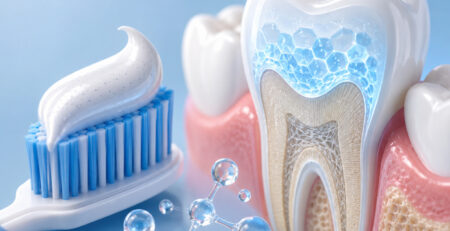
Dental tartar cleaning is the process of professionally removing hardened plaque that accumulates on the teeth and around the gums over time. When bacterial plaque is not cleaned regularly and effectively, it can harden by combining with minerals in saliva and become dental calculus, also known as tartar.
Once dental tartar has formed, it is not possible to completely remove it with a normal toothbrush. Therefore, professional dental intervention is required. During the procedure, ultrasonic devices and, if necessary, special hand tools are used to clean dental tartar buildup. Afterward, in suitable cases, polishing is applied to remove some discolorations on the tooth surface and to make the surface smoother.
For more detailed information about how dental tartar forms, its types, and professional cleaning methods, you can review Melsadent’s content on What is Dental Tartar, How Does It Form, and How is it Cleaned?
Why Does Whitening Occur After Dental Tartar Cleaning?
The main reason for the whitening observed after cleaning is the removal of foreign layers covering the tooth surface. Dental tartar can accumulate particularly on the inner surfaces of the lower front teeth, in areas close to the gumline, and near the ducts of the salivary glands. Since these accumulations can appear yellow, brown, or darker, they can make the teeth’s overall color appear darker than it is.
When these layers are removed during cleaning, the natural enamel surface underneath is revealed. Therefore, even if the color of the teeth is not chemically altered, the smile appears cleaner and brighter.
There are clinical studies evaluating that the color appearance of the tooth surface can change after professional prophylaxis. For example, a clinical study indexed in PubMed tracked tooth color and surface staining after dental prophylaxis. For the academic study, the PubMed – Maintenance of Tooth Color After Prophylaxis resource can be examined.
Is Teeth Cleaning the Same as Teeth Whitening?
No. Although these two procedures are often confused in daily conversations, their purposes and mechanisms of action are different.
The primary purpose of teeth cleaning is to protect oral and gum health. During the procedure, plaque, tartar, and, under appropriate conditions, surface stains are removed. It does not aim to change the natural color pigments of the teeth themselves.
Teeth whitening, on the other hand, is an aesthetic color-lightening procedure. Professional bleaching applications usually utilize whitening agents such as hydrogen peroxide or carbamide peroxide. These substances act on color-forming molecules in the tooth tissue, making the natural tooth color appear lighter.
The American Dental Association states that hydrogen peroxide and carbamide peroxide are among the commonly used substances in tooth whitening applications. It also emphasizes that only natural tooth tissue can be whitened; restorations do not change color in the same way. For detailed scientific information, the American Dental Association – Tooth Whitening resource can be reviewed.
How Many Shades Does Teeth Cleaning Whiten Teeth?
It is not correct to give a standard whitening amount like “1 shade”, “2 shades” or “3 shades” for dental calculus cleaning. Because the procedure is not a bleaching treatment and does not aim to lighten the natural shade of the tooth by a certain number of steps.
The amount of visual change varies depending on the initial condition. In a person with intense brown or yellow extrinsic stains on the tooth surface, the change after cleaning can be very noticeable. In contrast, in a person with less tartar and no significant staining on the tooth surfaces, the color difference may be more limited.
Therefore, definitive statements seen on the internet such as “dental calculus cleaning whitens the tooth by two shades” should not be considered valid for everyone. The correct approach is to determine the cause of discoloration on the tooth surface and set expectations accordingly.
Do Teeth Immediately Appear Whiter After Cleaning?
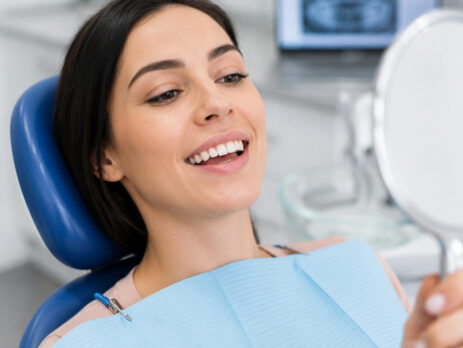
If dental calculus and surface stains have been effectively cleaned, the result is usually noticeable immediately after the procedure is completed. Especially the removal of yellow or brown tartar layers on the front teeth can quickly change the appearance of the smile.
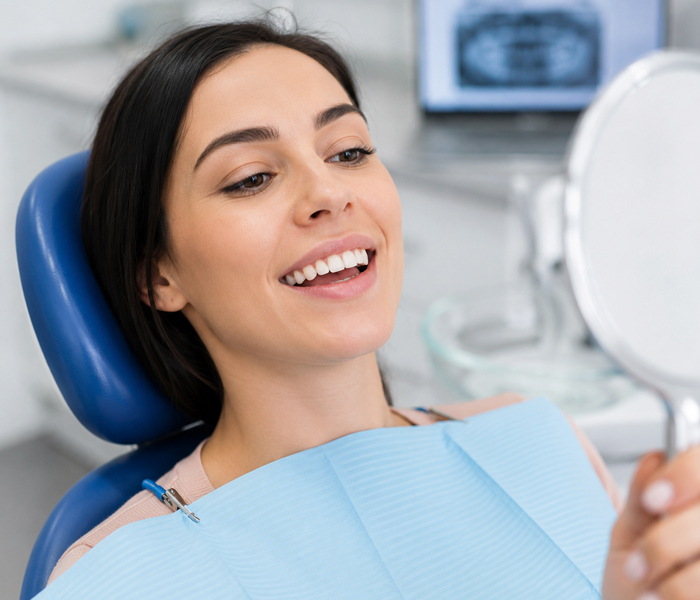
Polishing can also contribute to the tooth surface appearing smoother and brighter. For this reason, when the patient looks in the mirror, they may notice that not only the color but also the overall cleanliness and brightness of the teeth have changed.
However, everyone’s natural tooth color is different. A healthy tooth does not necessarily have to be bright white. The thickness of the enamel, the natural shade of the dentin, age, and genetic factors can affect tooth color.
Do Tea and Coffee Stains Come Off with Tartar Cleaning?
Tea and coffee are common beverages that can contribute to extrinsic staining on the tooth surface. Especially when frequent consumption and inadequate oral hygiene combine, staining on the tooth surface can become more pronounced.
A significant portion of superficial tea and coffee stains can be reduced with professional cleaning and polishing. However, if the discoloration has penetrated deeper layers of the tooth tissue, cleaning alone may not be sufficient. In this case, teeth whitening options can be considered.
In other words, not every tooth that appears dark due to coffee needs bleaching. A more appropriate approach is to first perform professional cleaning, reveal the true tooth color, and then plan for whitening if necessary.
Do Smoking Stains Disappear After Tartar Cleaning?
Cigarettes and tobacco products can cause brown or yellow discoloration, especially on tooth surfaces. A significant portion of these superficial discolorations can be reduced during professional cleaning and polishing.
However, for intense discolorations that have formed over many years, a single session of cleaning cannot guarantee that the teeth will become completely stain-free. Furthermore, if smoking continues, the reappearance of surface stains is possible.
To maintain the cleaner appearance of teeth for a long time, in addition to professional care, daily oral hygiene and controlling habits that cause discoloration are important.
Can Yellow Teeth Be Whitened with Tartar Cleaning?
This depends on the cause of the yellowness. If the yellow appearance is largely due to tartar, plaque, and surface stains, a noticeable brightening can be observed after professional cleaning.
However, if the natural color of the tooth is in yellow tones or if the discoloration is caused by the dentin and enamel structure, tartar cleaning will not change the natural tone. In such cases, bleaching might be a more effective aesthetic option.
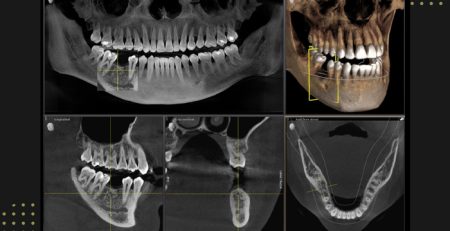
It is not always possible to definitively determine the cause of tooth discoloration by merely looking in a mirror. A dentist’s evaluation allows for differentiating between various conditions such as tartar, surface stains, decay, restorations, or internal discoloration.
Why Do Teeth Appear Brighter After Tartar Cleaning?
The bright appearance of the tooth surface is not solely related to color. Plaque, tartar, and stains can cause the tooth surface to look dull and uneven. When these layers are removed and properly polished, the surface can become cleaner and smoother.
As a result of light reflecting more evenly, teeth can be perceived as brighter and more well-maintained than they are. Part of the change patients describe as “My teeth have whitened” is actually this effect of brightness and surface cleanliness.
Can Whitening Be Done After Tartar Cleaning?
For individuals who desire a lighter tooth shade aesthetically, whitening can be considered after professional cleaning. In fact, in many cases, it is preferred that plaque and tartar on the tooth surfaces are cleaned before whitening. The reason for this is that the dentist can more accurately assess the natural tooth color and oral health.
However, whether whitening will be applied immediately depends on the person’s gum health, sensitivity status, enamel structure, and the dentist’s evaluation. A different timing may be preferred for individuals with gum irritation or significant sensitivity.
Information about professional options applied at Melsadent can be obtained from the Tooth Whitening (Bleaching) page.
Is the White Appearance Permanent After Dental Scaling?
The existing calculus that has been cleaned will not return, but plaque can reaccumulate in the mouth and new calculus can form over time. Similarly, coffee, tea, cigarettes, and foods containing intense pigments can lead to new surface stains.
Therefore, how long the clean and bright appearance achieved after cleaning will be maintained is largely influenced by the person’s oral hygiene habits. Regular tooth brushing, cleaning between teeth with appropriate methods, and not neglecting dental check-ups are important.
Those who want to learn more about calculus formation can also review the content of 2026 Dental Scaling and Dental Scaling Prices.
Does Dental Scaling Wear Down Tooth Enamel?
Professional dental scaling performed with appropriate technique is not a procedure done to scrape the tooth enamel and thin the tooth. The purpose of the devices and instruments used is to remove tartar adhering to the tooth surface.
Some patients may think their teeth are thinner or gappier after the procedure. This is often due to the removal of the thick layer of dental calculus (tartar) that previously filled the gaps. In areas where heavy tartar has been present for a long time, once the dental calculus is removed, the true shape of the teeth and the spaces between them may become visible again.
Is there Sensitivity After Dental Scaling?
Some individuals may experience temporary hot-cold sensitivity after the cleaning. Sensitivity may be more noticeable, especially if there is heavy tartar, gum recession, or exposed root surfaces.
In most cases, this condition is temporary. If the sensitivity is severe, prolonged, or turns into pain, a dentist’s evaluation is necessary.
For detailed information about the relationship between gum recession and sensitivity, the content What is Gum Recession, Why Does it Occur, and How is it Treated? can be reviewed.
Is the Main Benefit of Dental Scaling Whitening?
No. Although cleaner-looking teeth are an important aesthetic advantage, the primary goal of dental scaling is oral health.
Dental calculus surfaces can create rough areas where bacterial plaque can adhere. Prolonged accumulation of plaque and tartar around the gums can contribute to periodontal problems such as redness, swelling, and bleeding in the gums.
Therefore, dental scaling should not be considered merely a “cosmetic procedure that whitens teeth.” Regular periodontal evaluation is important for maintaining oral health.
Detailed information about gum health symptoms and prevention methods can be obtained from the Prevention and Treatment Methods for Gum Diseases page.
What is the Scientific Difference of Teeth Whitening?
The fundamental difference of bleaching applications is that instead of merely removing physical accumulations on the surface, they chemically alter the appearance of pigments responsible for tooth color.
A systematic review published by Cochrane reported that various chemical bleaching agents can lighten tooth color in the short term compared to placebo. However, it was also stated that the quality of evidence regarding the superiority of different products, concentrations, and application methods over each other is limited. Those who wish to examine it can access the Cochrane – Home-Based Chemical Bleaching of Teeth in Adults resource.
This scientific distinction also explains why not everyone sees the same degree of “whitening” after dental calculus cleaning. While cleaning removes external stains and accumulations, bleaching aims to change the color appearance of the tooth at a more advanced level.
Tartar Cleaning First, or Teeth Whitening?
In a person with significant tartar and plaque accumulation on the tooth surface, it is often logical to first evaluate oral and gum health. This is because sometimes a patient might think their teeth are yellow, but the real issue could be intense surface staining and tartar.
After professional cleaning, when the true color of the teeth emerges, some individuals may be satisfied with the resulting appearance and may not require an additional whitening procedure. For individuals desiring a lighter shade, whitening can be planned after a suitable candidacy assessment.
This approach is important for preventing unnecessary procedures and creating personalized treatment.
Do Veneers and Fillings Whiten After Dental Calculus Cleaning?
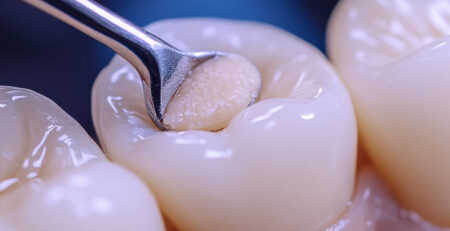
The removal of dental calculus and surface stains can make veneers or fillings appear cleaner. However, restorative materials such as porcelain, zirconium, or composite do not lighten in color along with natural tooth tissue, as they do during a bleaching procedure.
This issue is particularly important for individuals with numerous fillings or veneers in the anterior region. If whitening is applied to natural teeth, a color difference may occur with existing restorations. Therefore, during aesthetic treatment planning, the color of existing fillings and veneers should also be evaluated.
The ADA also states that whitening is effective on natural teeth, and that tooth-colored restorations do not whiten in the same way. For this reason, a personalized assessment is important.
How Can You Maintain a Whiter Appearance After Dental Calculus Cleaning?
Daily oral hygiene plays a decisive role in maintaining the bright appearance gained after cleaning. Regular and proper brushing of teeth, and cleaning between teeth with dental floss or interdental cleaning methods recommended by the dentist, can help control plaque accumulation.
In case of frequent consumption of stain-prone beverages like tea and coffee, more attention should be paid to oral hygiene. Smoking and tobacco products are significant risk factors for both discoloration and oral health.
Furthermore, instead of applying a fixed “cleaning every 6 months” program to everyone, it may be more appropriate to follow control intervals determined by the dentist based on individual calculus formation rate, periodontal condition, and risk factors.
Does Cleaning Dental Calculus at Home Whiten Teeth?
It is not recommended to attempt to clean dental calculus at home with metal tools, sharp instruments, or dental scrapers purchased online. Risks such as gum injury, damage to the enamel surface, or residual tartar in inaccessible areas may arise.
Similarly, it is not correct to use abrasive substances uncontrollably to achieve whiter teeth. Especially the frequent and uncontrolled use of baking soda, acidic mixtures, or various home-based methods can lead to undesirable results in oral tissues.
Methods applied without determining why a tooth appears yellow or stained may not solve the root cause of the problem. Therefore, a professional examination is important.
Is it Possible for Teeth to Appear Yellower After Dental Calculus Cleaning?
Rarely, some individuals may notice their teeth appear yellower if they do not see as white a result as they expected after cleaning. This is often due to the natural tooth color revealed from underneath the dental calculus.
For example, after the removal of substantial light-colored tartar, the natural dentin color may be perceived more distinctly. This does not mean that the procedure made the tooth yellower.
If one is not aesthetically satisfied with their natural tooth color, bleaching options can be considered.
Is Whitening After Dental Calculus Cleaning the Same for Everyone?
No. The outcome can vary significantly depending on the individual’s initial condition. Factors affecting the appearance include the amount of calculus, the intensity of surface stains, smoking, coffee and tea consumption, natural tooth color, enamel thickness, age, and existing restorations.
While a person with extensive extrinsic stains may see a dramatic change after cleaning, for someone who already has good oral hygiene and little tartar, the difference may manifest more as increased brightness and a feeling of cleanliness.
How Do I Know if I Need Whitening After Dental Scaling?
The most practical method is to first have the teeth and gums professionally evaluated. If the yellow appearance is due to tartar and surface stains, cleaning alone may meet expectations.
If, after cleaning, the teeth are healthy and clean but the natural shade is still darker than the individual’s aesthetic expectations, professional whitening may be considered.
Before planning whitening, it is also important to evaluate active cavities, sensitivity, gum problems, and existing restorations.
Dental Scaling and Whitening Assessment at Melsadent
At Melsadent Oral and Dental Health Polyclinic in Tuzla, calculus accumulation, gum health, and the source of tooth discoloration can be evaluated individually for each person. The goal is not just whiter-looking teeth; it is to achieve healthy gum tissues, clean tooth surfaces, and an aesthetic result that is harmonious with the person’s natural tooth structure.
Determining whether the darkness in teeth is due to tartar, extrinsic surface stains, or natural tooth color is critically important in selecting the correct procedure. After a detailed assessment, professional cleaning alone may suffice, or tooth whitening options can be discussed based on the individual’s expectations.
For current information about dental calculus cleaning, you can visit the Melsadent Dental Calculus Cleaning page, and for detailed information about whitening options, you can visit the Melsadent Teeth Whitening page.
Frequently Asked Questions
Do teeth really whiten after dental calculus cleaning?
Dental calculus cleaning does not chemically lighten the natural color of the tooth. However, because yellow or brown tartar, plaque, and some surface stains are removed, teeth may appear whiter, cleaner, and brighter after the procedure.
How many shades does dental calculus cleaning lighten teeth?
There is no standard amount of shade lightening in dental calculus cleaning. The procedure is not bleaching. The visual change varies from person to person depending on the initial amount of tartar and surface stains.
Does dental calculus cleaning remove yellowness?
If the yellowness is caused by surface stains or yellow tartar buildup, it can be significantly reduced. If the tooth’s natural color is yellow, cleaning alone will not change the natural shade.
Does dental calculus cleaning remove coffee stains?
A significant portion of superficial coffee stains can be reduced with professional cleaning and polishing. For deeper discolorations, additional whitening treatments may be required.
Can tea stains be removed with dental cleaning?
Tea stains adhering to the tooth surface can be significantly removed during professional cleaning. However, the depth and duration of the staining affect the outcome.
Can cigarette stains be removed with dental calculus cleaning?
Superficial cigarette stains can be cleaned or significantly reduced. For long-standing, intense stains, additional aesthetic procedures may be needed.
What is the difference between dental calculus cleaning and bleaching?
Dental calculus cleaning is a professional oral care procedure aimed at removing plaque, tartar, and surface stains. Bleaching, on the other hand, is an aesthetic procedure that aims to lighten the natural tooth color using substances like hydrogen peroxide or carbamide peroxide.
Is teeth whitening done immediately after dental calculus cleaning?
The appropriate timing depends on the individual’s gum health, sensitivity, and the dentist’s assessment. While in some patients, cleaning and whitening treatments can be planned to follow each other, in others, it may be preferable to wait.
Why do teeth become brighter after dental calculus cleaning?
The removal of tartar, plaque, and surface stains, and polishing when necessary, helps the tooth surface appear smoother. This allows light to reflect more evenly, making the teeth appear brighter.
How long does the whiteness last after dental calculus cleaning?
This appearance depends on oral hygiene and an individual’s habits. Tea, coffee, smoking, and inadequate oral care can lead to the formation of new stains and tartar more quickly.
Does dental calculus cleaning damage tooth enamel?
Professional dental calculus cleaning, performed by a dentist using appropriate instruments and techniques, is not a procedure intended to scrape or thin the tooth enamel. However, attempting to remove tartar at home with sharp or metal instruments can damage teeth and gums.
Is sensitivity after dental calculus cleaning normal?
Short-term hot-cold sensitivity may be observed, especially in individuals with extensive dental calculus or gum recession. In cases of severe or prolonged sensitivity, a dentist should be consulted.
What should I do if my teeth are still yellow after cleaning?
The natural color of teeth can be dark or yellowish. If oral health is deemed suitable after professional cleaning, teeth whitening options can be discussed with the dentist.
Should tartar removal be done before teeth whitening?
In individuals with significant plaque and tartar, professional cleaning should first be performed, which can facilitate the evaluation of the true tooth color and gum health. Subsequently, if necessary, suitable bleaching can be planned for the individual.
Does Whitening Occur After Tartar Removal?
After tartar removal, a visible whitening and brightness can occur in the teeth; however, this is mostly due to the removal of tartar, plaque, and external surface stains, revealing the teeth’s natural color. Therefore, tartar removal and professional teeth whitening are not the same procedure.
If your teeth appear dark, especially due to tea, coffee, smoking, or heavy tartar buildup, even professional cleaning alone can provide a significant change in your smile. If, after cleaning, your natural tooth color is still darker than you expect, professional whitening options such as bleaching can be considered.
The most accurate approach is to determine why the tooth color appears dark through a dental examination, rather than guessing. This way, by avoiding unnecessary procedures, a personalized treatment plan that considers both gum health and aesthetic expectations can be created.